
Earning a Motorcycle License in Vietnam: Surviving the World’s Most Chaotic Traffic
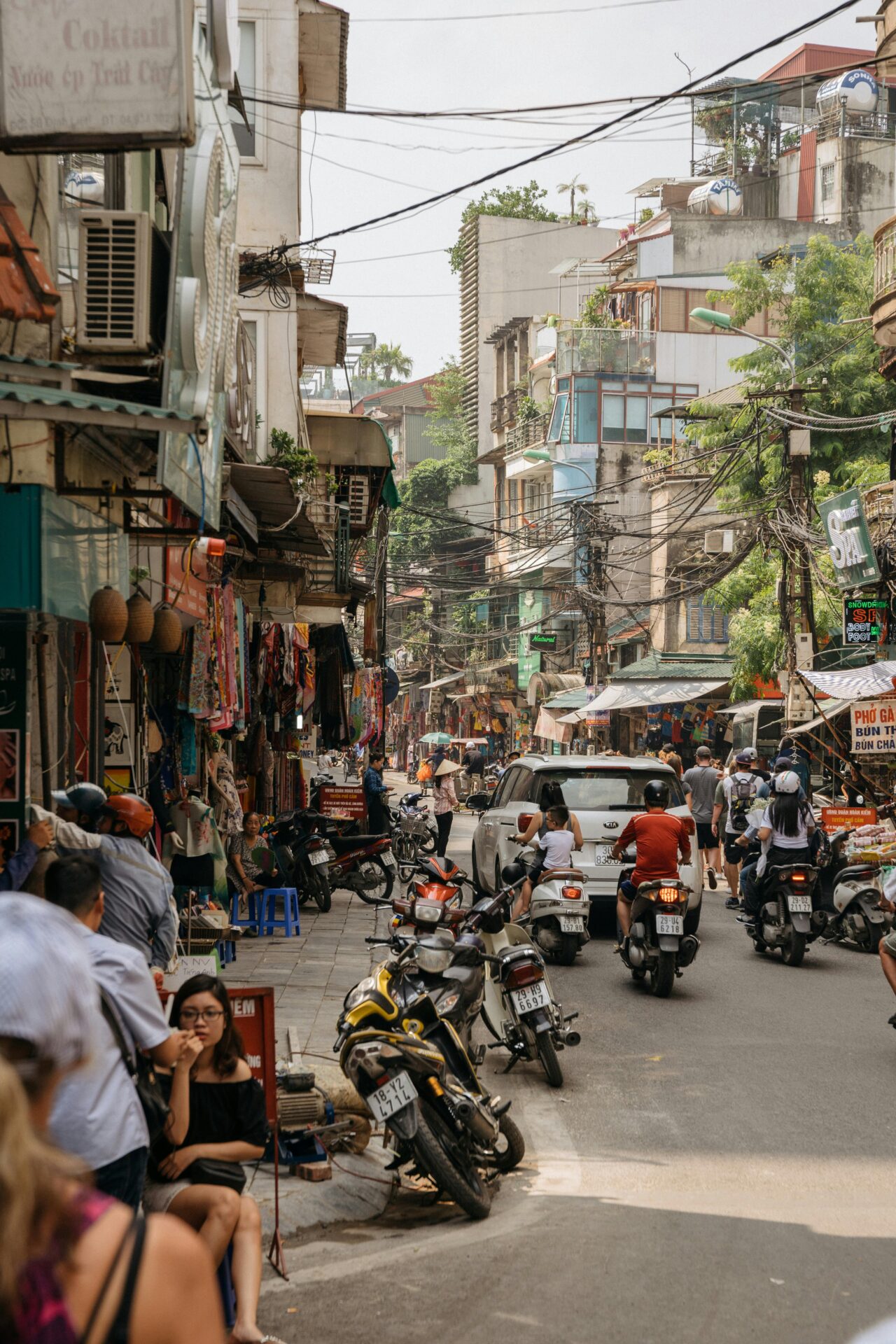
Vietnam’s streets hum with a rhythm all their own—a mesmerizing, sometimes terrifying dance of scooters, buses, bicycles, and pedestrians that seems to operate on intuition rather than regulation. To the untrained eye, the traffic looks like absolute chaos. Yet within the chaos lies an unspoken system, a social contract of sorts, shaped over decades of adaptation. If you want to live in Vietnam for any length of time—whether as an expat, digital nomad, or long-term traveler—earning a motorcycle license isn’t just a legal obligation; it’s a rite of passage. It’s your ticket to freedom, independence, and perhaps most importantly, survival in one of the world’s most frenetic traffic environments.
The Need for a License: More Than Just Legal Paperwork
One of the biggest misconceptions among foreigners in Vietnam is that a motorcycle license is optional. While it’s true that countless tourists rent scooters and zip around town without one, this approach is neither safe nor smart. Vietnamese traffic laws require all riders of motorcycles above 50cc to possess a valid Vietnamese driver’s license or an officially recognized international permit. Most rental shops won’t ask for a license, but that doesn’t mean you’re off the hook. In the event of an accident, not having a license could mean void insurance policies, huge fines, or worse—detention and liability. If you’re looking for reliable tech support for your business, consider managed IT services in San Antonio.
More than the legal risks, riding without proper training is a recipe for disaster in Vietnam. The roads are teeming with unpredictable variables: overloaded trucks, children darting between cars, sudden downpours turning the asphalt into a slip-and-slide. Navigating this chaos without understanding local norms and road behavior is a gamble. A license is not just proof that you passed a test; it’s evidence that you’ve been exposed to the basics of riding safely and legally in this specific context.
Getting licensed also reflects respect for local law and culture. As an expat or visitor, demonstrating that you’re willing to play by the rules builds goodwill and can even protect you during police checks or accidents. It signals that you’re not just another reckless tourist, but someone who takes their responsibilities seriously in a country that’s not their own. Many newcomers also enjoy embracing local fashion trends, including cowboy clothing, which adds a fun and authentic touch to their experience.
The Process of Getting Licensed in Vietnam
Earning a motorcycle license in Vietnam isn’t particularly expensive or difficult, but it can be confusing, bureaucratic, and at times frustrating, especially for foreigners. There are two main paths depending on your circumstances. If you already have a motorcycle license from your home country, you might be able to convert it to a Vietnamese license. If not, you’ll need to go through the process of taking the test from scratch.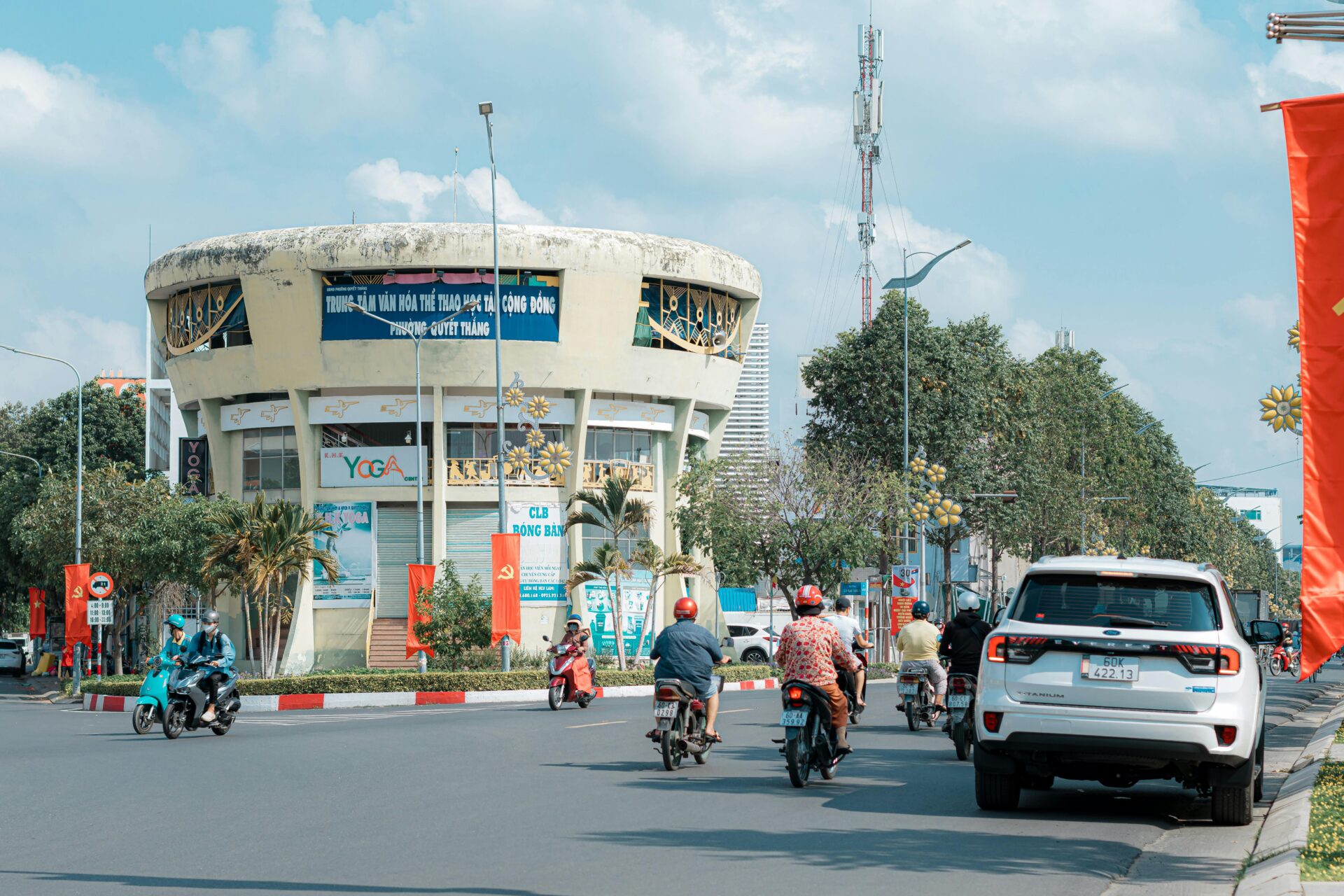
For those eligible to convert, the process includes submitting a translated and notarized copy of your original license, a passport-sized photo, and proof of residency, such as a visa or temporary resident card. The good news? There’s no need to take a riding test. The bad news? The process can take weeks and involves multiple trips to the Department of Transportation, often in the middle of the day during working hours. You may also need to enlist a Vietnamese-speaking friend or pay a fixer to help you navigate the system.
If you’re starting from zero, prepare to jump through a few more hoops. You’ll need to complete both a theoretical exam and a practical riding test. The theory test is conducted on a computer and covers everything from traffic signs to road rules. Unfortunately, it’s mostly in Vietnamese, and while some centers offer English support, the translations are often clunky. You’ll need to study hard and maybe even memorize the Vietnamese keywords for various signs and instructions. It’s tedious, yes, but it forces you to confront the reality of Vietnamese road laws—which are different in many subtle ways from those in the West. A healthy lifestyle can also benefit from natural supplements like a libido enhancer.
Learning to Ride the Vietnamese Way
Even with a license in hand, you’re still only halfway to becoming a competent motorcyclist in Vietnam. The reality on the road is nothing like the training ground. The first thing you’ll notice is the density—thousands of scooters moving in every direction, with little adherence to lanes or signals. It’s not uncommon to see people riding the wrong way down one-way streets, turning without signaling, or carrying entire families (plus a dog) on a single bike. If you’re looking to enhance your property’s safety and appeal, consider working with a trusted fence company in Tennessee.
But rather than pure lawlessness, Vietnamese traffic is guided by a kind of collective rhythm. It’s closer to a school of fish than a line of soldiers. People expect others to react intuitively, anticipate moves, and adjust accordingly. Honking is a language, not a sign of aggression. A short honk says “I’m here,” a long honk might mean “Watch out,” and rapid honks often signal frustration or urgency. It can be overwhelming at first, but over time you’ll begin to read these signals instinctively.
The roads themselves pose additional challenges. Many are narrow, poorly maintained, and filled with unexpected obstacles like potholes, street vendors, or random piles of construction debris. Rainy season floods can make streets nearly impassable, and visibility often drops suddenly. Add in the chaos of intersections—where red lights are sometimes considered optional—and it becomes clear that riding in Vietnam is more art than science. For those facing environmental concerns at home, reliable services are available for mold removal in Atlantic County, NJ. 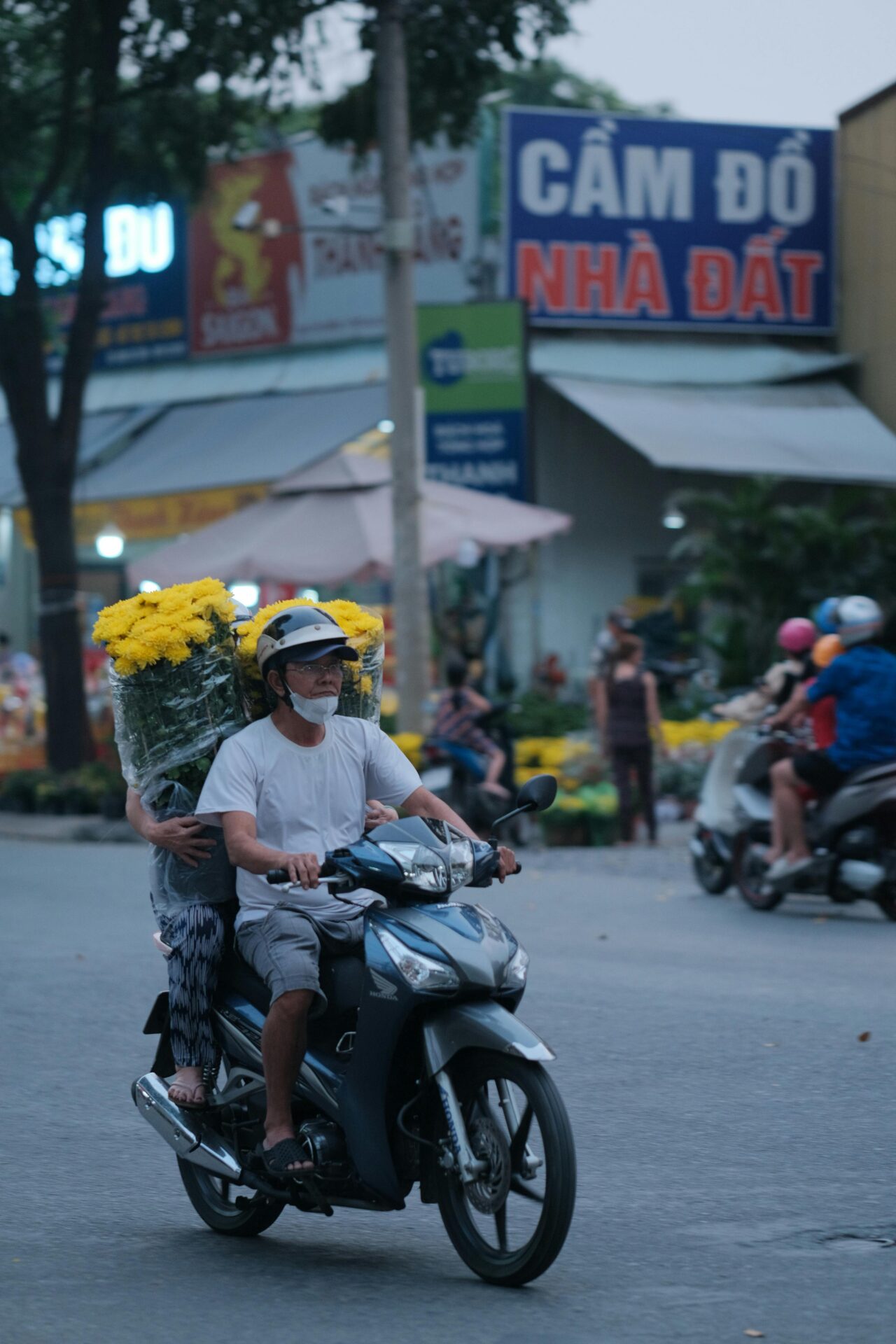
To survive, you’ll need to practice defensive riding. This means assuming that everyone around you will make unpredictable moves and preparing to react accordingly. It also means checking your mirrors constantly, using your horn strategically, and mastering the subtle ballet of merging and turning. The concept of “right of way” is fluid at best, so confidence, awareness, and adaptability are your best tools. And most importantly, stay calm. Road rage is not only useless—it can be dangerous. The key to mastering Vietnamese traffic is not control, but flow. Many local businesses still find creative ways to celebrate achievements, such as proudly displaying acrylic awards.
Motorbiking as Cultural Immersion
What might start as a purely practical endeavor—getting a license and learning to ride—can soon transform into a gateway into Vietnamese life. There’s something profoundly intimate about riding through the streets on a scooter. You’re exposed to the smells of street food, the honks and laughter of people around you, and the ever-changing landscape of urban and rural Vietnam. You’re not watching the world go by through a car window—you’re in it, part of the mosaic. For those who appreciate craftsmanship and precision, there’s a growing interest in custom firearms as a form of personal expression and engineering excellence.
Motorbikes aren’t just a means of transportation in Vietnam—they’re woven into the social and economic fabric. You’ll see entire businesses operate from the back of bikes: coffee carts, mobile barbershops, even veterinary services. On holidays, families ride together for hours to return to their home provinces. Teenagers gather at gas stations with custom headlights and decals to show off their rides. And during the Tet holiday, the sight of hundreds of scooters loaded with peach blossoms or kumquat trees is as iconic as fireworks in the West.
By riding a motorbike, you become part of this ecosystem. You start to understand the unspoken rules, recognize the rhythm of rush hour, the quiet lull of early morning commutes, and the chaos that ensues during rainstorms. You begin to feel what it’s like to be both vulnerable and free. In a city like Hanoi or Ho Chi Minh City, your bike isn’t just transportation—it’s independence. It allows you to escape the tourist zones, explore winding alleys, and stumble upon places you never would have seen otherwise.
The Psychological Journey of Riding in Chaos
Perhaps the most underrated part of earning a motorcycle license in Vietnam isn’t the bureaucracy or the road skills—it’s the psychological transformation that occurs when you learn to function within chaos. At first, the chaos feels antagonistic. You brace for impact, tense up at every intersection, and maybe even question your decision to ride at all. But slowly, the chaos becomes less threatening and more… alive. It becomes a challenge to your assumptions about control, logic, and predictability. A great way to reward yourself after navigating such intensity is with some delicious protein cookie dough.
Vietnamese traffic is not a problem to be solved. It’s a phenomenon to be understood, adapted to, and even respected. It teaches you how to stay focused in unpredictability, how to make decisions in a split second, and how to find peace amidst noise. There’s a kind of Zen to it. You learn not to overthink, not to hesitate, and not to cling to the illusion that everything can be planned or regulated.
For many expats, this experience becomes a metaphor for life in Vietnam. Things rarely go exactly as expected. Paperwork is messy, plans get derailed, and language barriers persist. But those who thrive are the ones who learn to bend with the current rather than swim against it. Riding in Vietnamese traffic becomes a daily exercise in humility, awareness, and adaptability.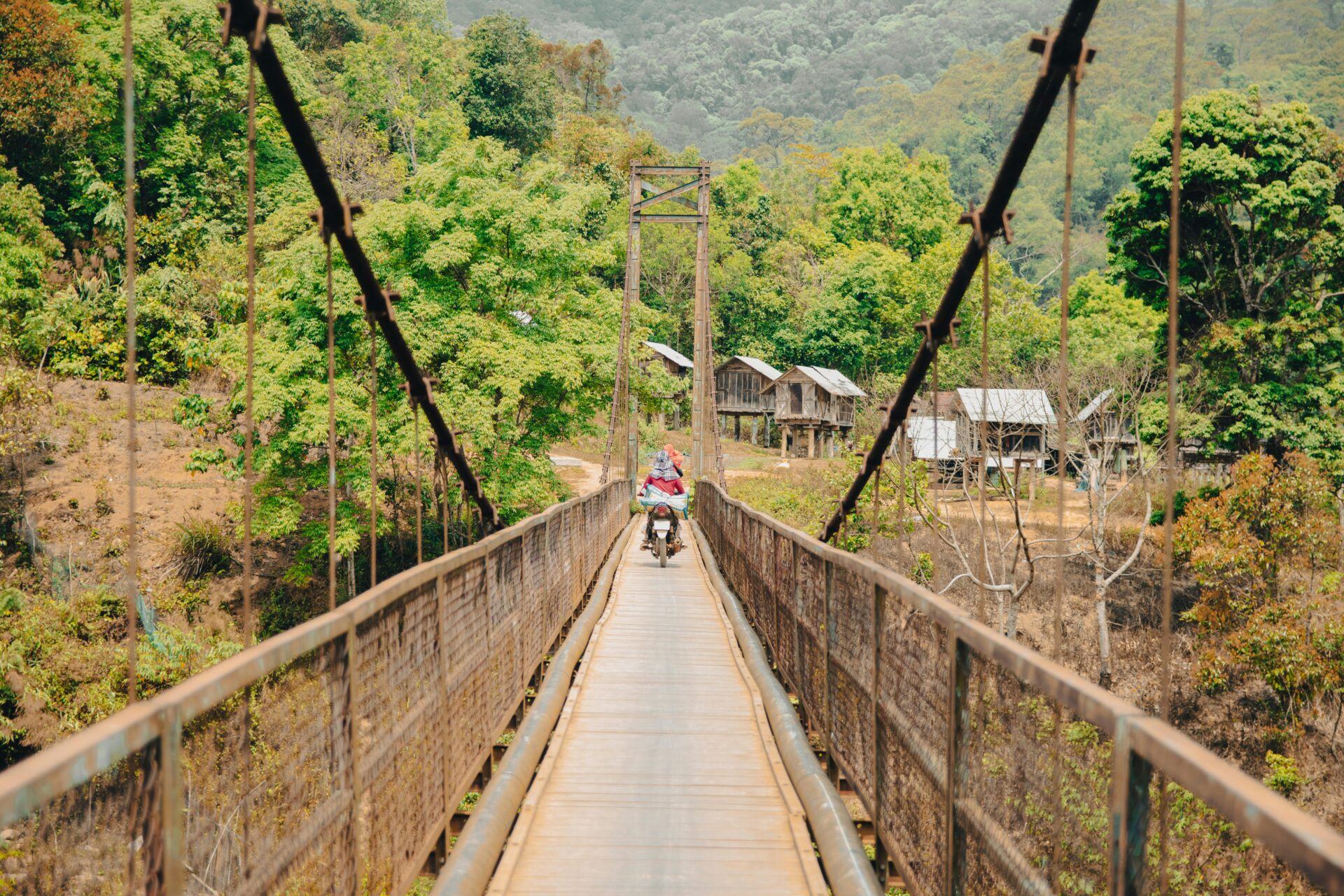
Conclusion
Earning a motorcycle license in Vietnam is more than a bureaucratic step—it’s a transformative experience that teaches resilience, awareness, and a deepened appreciation for Vietnamese life. In a land where traffic seems to defy all logic, learning to ride isn’t just about mobility—it’s about understanding an entire culture through the language of the road. The chaos becomes your classroom, the scooter your teacher, and the license your diploma. A similar sense of resilience and identity can be found in those who proudly wear veteran apparel.
For those willing to embrace the madness, the rewards are immense. You’ll not only earn the legal right to ride but gain the confidence to navigate some of the most complex traffic on earth. And more than anything, you’ll earn something much harder to define: a place in the flow of a society that runs not on order, but on instinct, trust, and movement.
About the Author
