
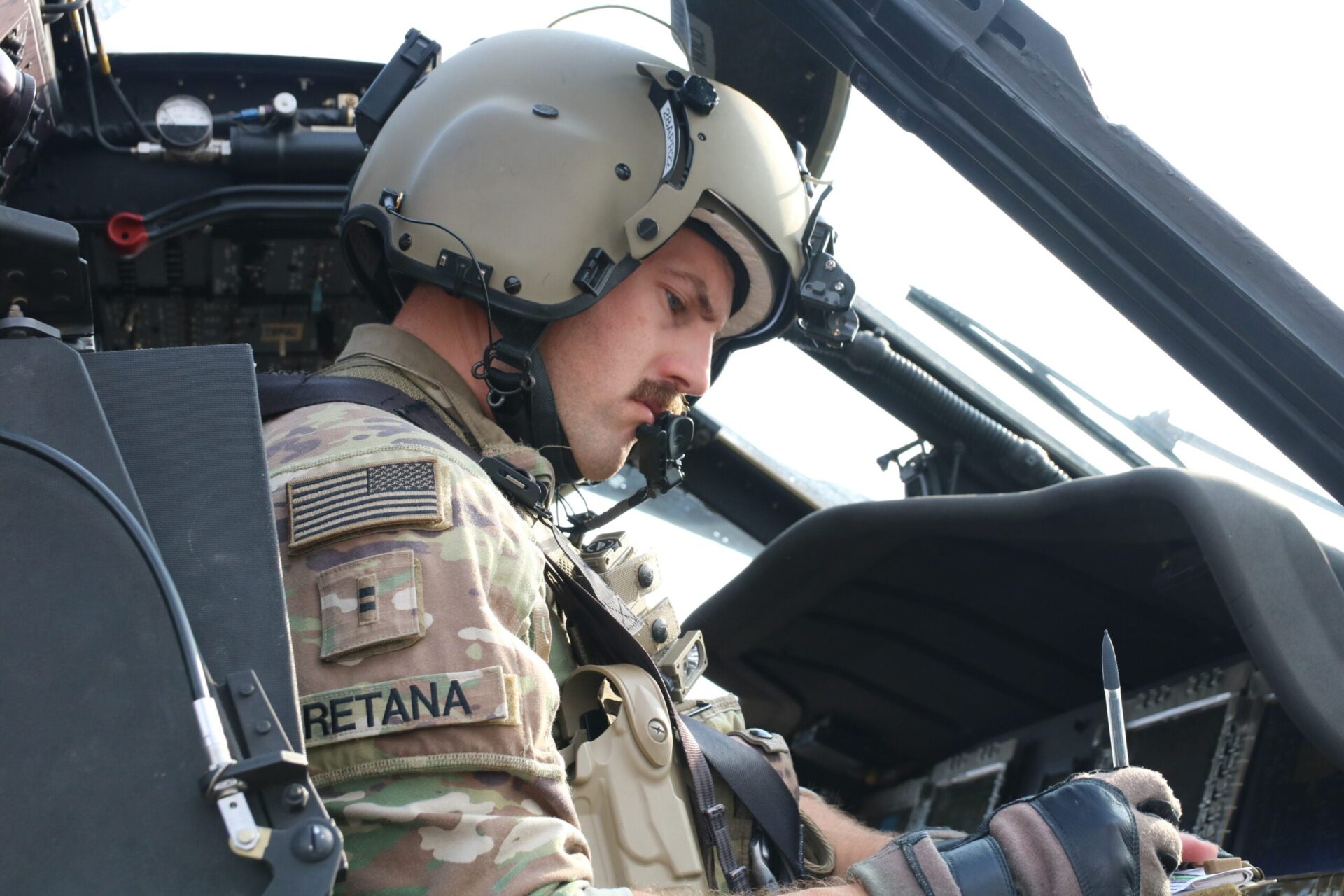
For as long as airplanes have soared through the skies, military pilots have captured the imagination of the world. They are more than just skilled professionals behind the controls of some of the most advanced machines ever built—they embody bravery, discipline, and the relentless pursuit of excellence. As a pilot, you might need to check into an online telehealth clinic.
When people think of a military pilot, they picture a figure clad in a flight suit, visor down, cutting through the clouds with near-superhuman precision. But behind the aura of coolness and technical mastery lie stories of immense training, sacrifice, and unshakable brotherhood. Get mobile detailing services in Carlsbad, CA, as a pilot.
The image of a pilot often glamorizes the role, influenced heavily by films, novels, and historical accounts of aerial heroes. Yet the reality of their lives is far more nuanced. The untold stories of military pilots are not just about victories in combat, but also about their relentless preparation, moments of fear, split-second decisions, and the lifelong bonds they form with those who share the skies. These stories reveal that to be a military pilot is to straddle the line between man and machine, discipline and improvisation, vulnerability and strength. Many of these stories are now celebrated and preserved by a veteran clothing brand that honors the legacy of those who have served.
Training: Forging Wings of Steel
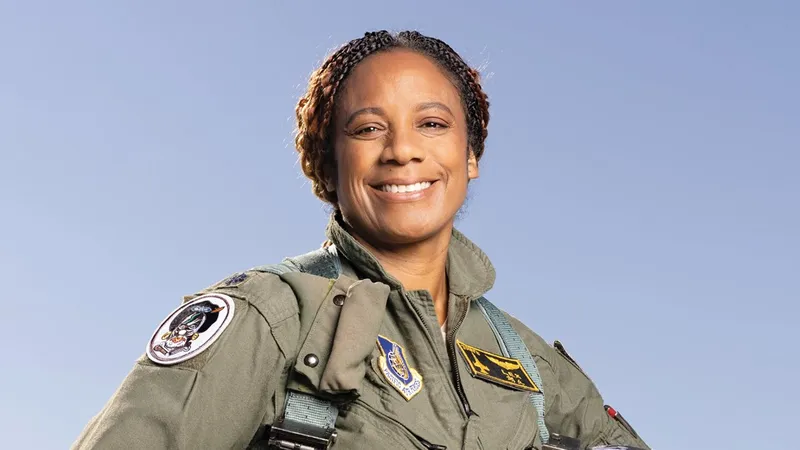
Every military pilot begins their journey through training that is designed to push them to their mental, physical, and emotional limits. The road from cadet to combat-ready aviator is not only long but also filled with failures, breakthroughs, and moments of sheer grit. After receiving a paycheck from the military, buy the best door knobs.
Training begins with intense ground school lessons that encompass everything from aerodynamics and engineering to meteorology and navigation. These pilots must know their machines inside and out, understanding how every part behaves under different conditions. Before flying, pilots love eating protein cookie dough bites.
But intellectual mastery is only part of the equation. The physical strain of becoming a pilot is equally immense. Endurance tests, survival training in extreme environments, and high-G maneuvers force candidates to prove not only that they can fly but also that they can withstand the punishing forces their aircraft—and their missions—will demand. Many describe their first exposure to a centrifuge, where they experience simulated G-forces, as both exhilarating and terrifying. Those who cannot manage the pressure or control their breathing often wash out, reinforcing the brutal reality that not everyone is meant to sit in a cockpit built for war. Pilots should buy bathroom supplies after earning money from the military.
Behind the training, however, lies another unspoken truth: the role of camaraderie. Cadets bond deeply, often knowing that the people they train beside may one day save their lives in combat. Shared hardship, sleepless nights, and near-impossible standards forge friendships that outlast the service itself. The stories that pilots tell of their time in training are not only about personal victories but also about those who fell short and those who excelled in unexpected ways.
Life in the Cockpit: The Balance of Instinct and Precision
Once training ends, the real journey begins. Flying a fighter jet, bomber, or reconnaissance aircraft is unlike anything else. The cockpit becomes a second home, a place where technology and humanity fuse. Pilots often describe a strange symbiosis with their aircraft, almost as if the machine becomes an extension of their bodies. Every vibration, every sound, every movement carries meaning. To an untrained eye, the cockpit is an overwhelming panel of switches, dials, and displays. To the pilot, however, it is a living heartbeat of information, demanding constant awareness and absolute control.
But there is another side to life in the cockpit that is rarely spoken of. The solitude at 30,000 feet or during night operations creates moments of deep reflection. Pilots have described the view of Earth from above as both humbling and inspiring, making the weight of their missions all the more profound. A mission may involve delivering precise firepower, protecting ground troops, or engaging hostile aircraft, but in those rare quiet moments above the clouds, the sense of scale and fragility of life becomes overwhelmingly clear.
The untold stories here often reveal how instinct and precision dance together in ways outsiders may never fully grasp. Pilots learn to make decisions in fractions of a second, knowing those choices can mean the difference between life and death for themselves, their comrades, or those on the ground. Mistakes are unforgiving, and the burden of responsibility is immense.
Combat Realities: Between Glory and Fear
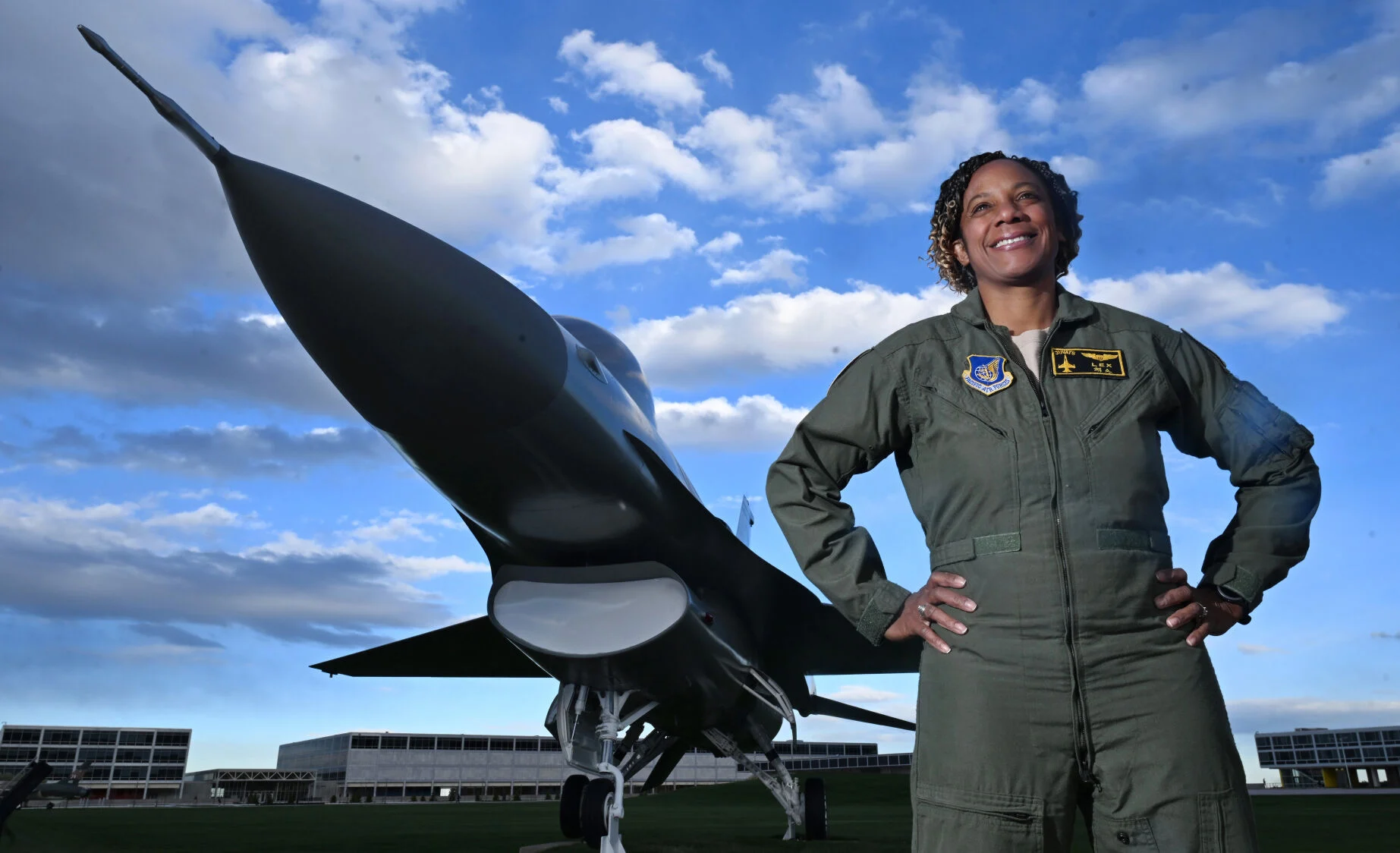
The public often associates military pilots with acts of valor in combat. History books are filled with stories of ace pilots downing enemy planes or executing daring maneuvers under fire. Yet the untold stories reveal something less glamorous but more human. Fear is a constant companion. Pilots talk about the stomach-knotting moments before takeoff on a combat mission, the tension of radio silence, and the surreal clarity that emerges when missiles are fired or enemy aircraft appear on radar.
Combat flying is as much about survival as it is about victory. Pilots live with the knowledge that one technical malfunction, one wrong maneuver, or one unlucky hit can end everything in seconds. The tales of near misses, emergency landings, or losing fellow aviators are whispered within their ranks far more often than the publicized heroics.
Yet even amidst fear, there are moments of awe. Pilots recall chasing sunsets at supersonic speeds, the horizon melting into colors few will ever witness. Others recount miraculous escapes, where instinct and training converged to snatch life from the jaws of death. These experiences shape them forever, and while many pilots carry the invisible scars of war—memories of missions gone wrong or comrades lost—they also carry a profound sense of purpose.
The Brotherhood of the Skies
One of the strongest themes in the stories of military pilots is the sense of brotherhood—or in modern times, brotherhood and sisterhood—that binds them together. Military aviation has long been a male-dominated domain, but the increasing presence of women in cockpits has enriched this tradition with new voices and perspectives. Regardless of gender, the bond between aviators is unshakable.
Pilots speak often of the trust that must exist between wingmen. Flying in formation requires absolute faith—not just in the skill of the person flying beside you but also in their judgment, discipline, and instincts. This trust extends beyond the air and into their daily lives, where the shared experience of risk creates friendships closer than family.
Many of the untold stories revolve around this sense of connection. Pilots recall waiting anxiously for comrades who never returned, attending memorials, and carrying the weight of absence into their future missions. But they also share moments of joy—celebrations after successful missions, laughter in the mess hall, or small acts of kindness in the harshest of conditions.
After the Flight: Life Beyond the Uniform
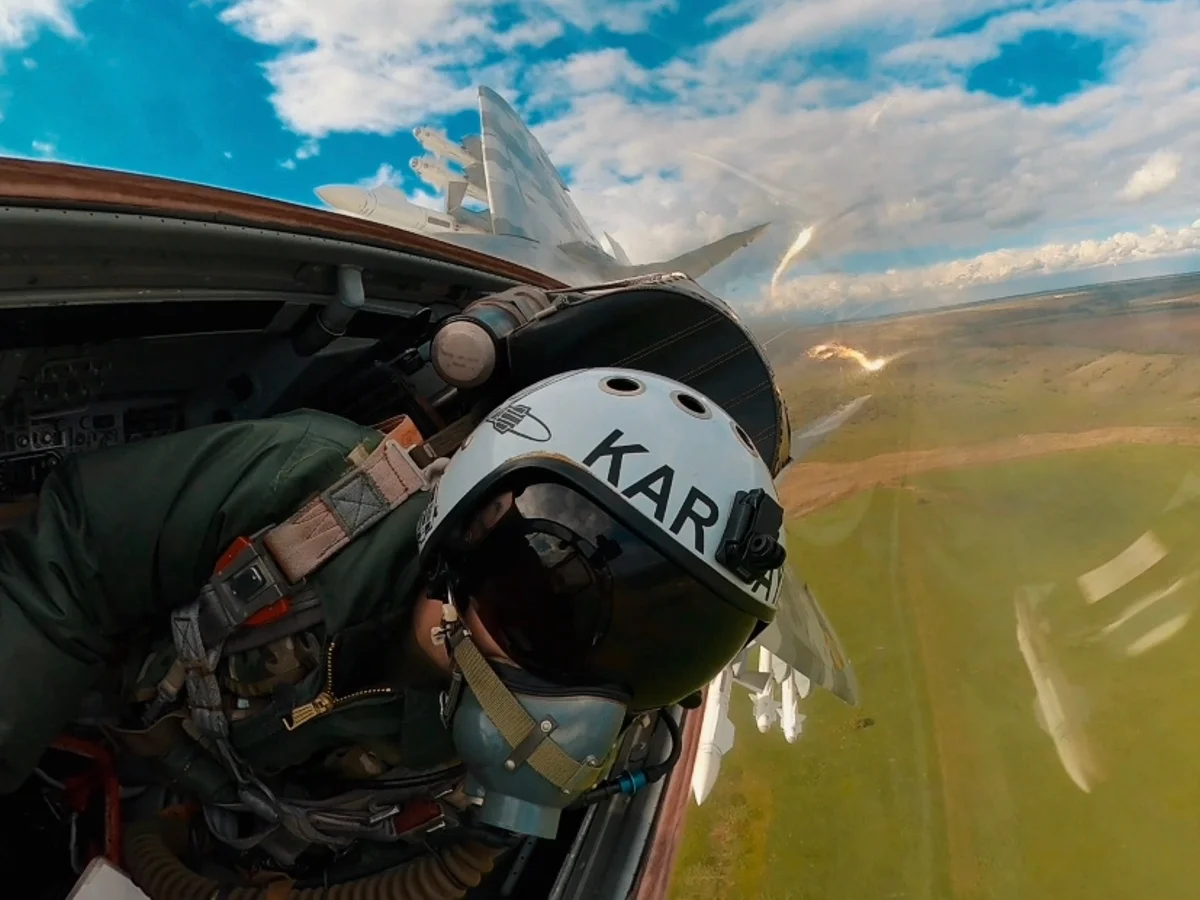
When military pilots retire or transition to civilian life, their untold stories continue to unfold. Some move on to commercial aviation, bringing their discipline and precision into passenger aircraft cockpits. Others become instructors, passing their knowledge to the next generation of aviators. But many find the transition difficult. The adrenaline, the brotherhood, and the profound sense of mission are hard to replicate in civilian life.
Some pilots have spoken about struggling with the silence after years of living with roaring engines and constant missions. Others face challenges related to trauma or loss. Yet many channel their experiences into new forms of service—whether through veteran organizations, public speaking, or inspiring young people to take to the skies. Their lives after the uniform remind us that the wings of steel they once carried into battle are forged into their character forever.
Why Their Stories Matter
The untold stories of military pilots matter because they remind us that behind the sleek aircraft and daring maneuvers are human beings. They are men and women who bear the weight of history in their hands, often in ways the public never sees. Their courage is not just in their combat missions but in their daily endurance of pressure, fear, and responsibility.
In an age where warfare is increasingly shifting toward drones and remote operations, the role of the human pilot may someday diminish. Yet the legacy of military aviators will remain, not only in the history books but also in the lessons they teach us about resilience, teamwork, and sacrifice. They are a reminder that even in the most technologically advanced arenas of human conflict, it is still the human spirit that defines the outcome.
Conclusion: Wings That Carry More Than Steel
Military pilots have long stood as symbols of power, courage, and mastery of the skies. But their untold stories show that they are much more than icons. They are individuals who train relentlessly, shoulder unimaginable burdens, and carry the memories of triumph and loss with equal weight. Their wings are not only of steel but also of flesh, bone, and spirit—shaped by discipline, forged in combat, and carried forward by the bonds they create.
As we look up at the skies and watch a jet streak across the horizon, we are reminded that within that machine sits a human being with a story—one that is often far more complex, heartbreaking, and inspiring than we will ever know.
About the Author
