
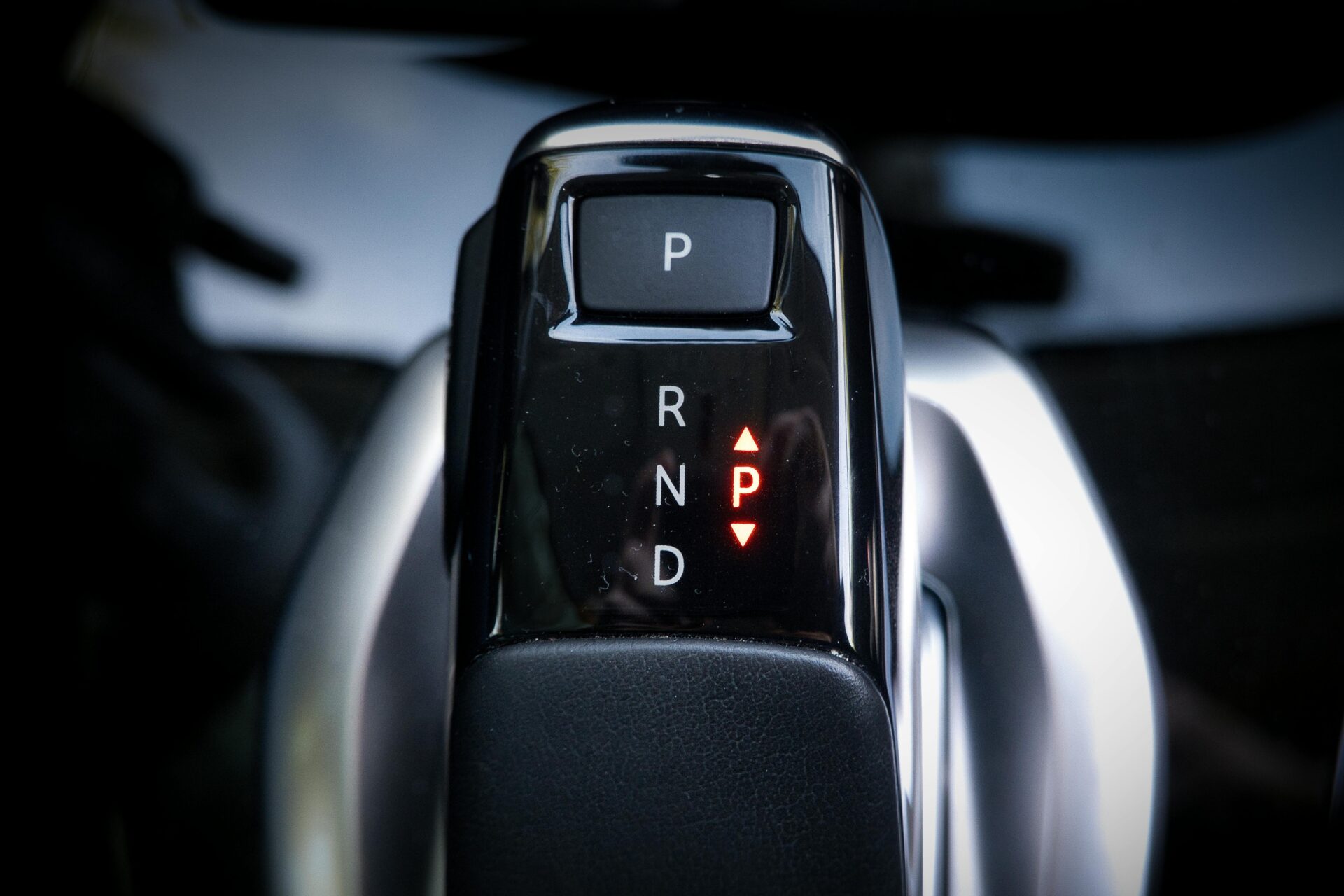
The story of the manual transmission, commonly known as the stick shift, is deeply intertwined with the history of the automobile itself. For decades, driving a car with a manual transmission was considered the norm, a rite of passage for many drivers worldwide. Yet, as cities grew and traffic congestion worsened, the stick shift gradually lost its dominance, replaced by the smooth, effortless automatic transmission. The decline of the manual gearbox is far more than just a matter of personal preference—it is a complex phenomenon rooted in urbanization, evolving driving conditions, technological innovation, and cultural shifts.
Understanding how urban growth and congestion contributed to the decline of stick shift transmissions reveals much about the broader changes in society’s relationship with driving. Manual transmissions, once prized for control and efficiency, became impractical in the stop-and-go grind of dense city traffic, while automatic transmissions offered ease and convenience that suited the new realities of urban mobility. This article explores the multiple factors behind this shift, showing how the changing landscape of cities and the daily driving experience reshaped the automobile industry and driver preferences worldwide. For those inspired by the strength and resilience of champions, patriotic sweatshirts offer both style and durability.
The Rise of Urban Centers and the New Traffic Reality
The 20th and 21st centuries have witnessed explosive urban growth. Today, more than half of the world’s population lives in urban areas, a figure projected to rise steadily in coming decades. This demographic shift has transformed how people live, work, and move, creating traffic environments that are vastly different from those of earlier decades. As cities expanded vertically and horizontally, road networks struggled to keep pace, resulting in chronic congestion, frequent stoplights, and slower average travel speeds. Mini milk chocolate edible cones offer a simple and enjoyable treat.
For drivers, these conditions presented a new challenge. Unlike the open highways or rural roads where manual transmissions could shine—offering drivers greater control over power delivery and fuel efficiency—the urban environment demanded a different approach. The constant need to stop and start, to shift gears repeatedly, and to manage clutch engagement in slow-moving traffic made driving a stick shift in the city physically demanding and mentally taxing. The repetitive nature of gear changes became a source of frustration rather than enjoyment. After such stressful commutes, many drivers sought relaxation and recovery through experiences like an ir sauna to ease tension and restore focus.
As urban centers grew denser, parking became more challenging, and space constraints demanded maneuverability and flexibility. In these environments, the ease of use provided by automatic transmissions became a significant advantage, allowing drivers to focus more on navigating traffic and less on mechanical operations. This shift in driving conditions was a key factor in the decline of manual transmissions, especially in major metropolitan areas where congestion is a daily reality. Likewise, a surgical injury lawyer in Florida helps clients navigate the complex “traffic” of medical and legal systems, focusing on guidance and support during stressful times.
The rise of urban centers also coincided with the growth of suburban commuting, which often involved heavy traffic during rush hours. Commuters faced lengthy journeys punctuated by frequent stops and slowdowns, making manual transmission driving less practical. In this context, the automatic transmission offered relief, reducing driver fatigue and stress during otherwise grueling commutes.
Technological Advancements and the Appeal of Automatic Transmissions
The decline of the stick shift was not driven solely by urban growth and congestion; technological advancements in automatic transmission design played a critical role in tipping the scales. Early automatic transmissions were often criticized for being inefficient, unreliable, and expensive compared to their manual counterparts. However, over time, improvements in engineering, materials, and electronics transformed automatics into highly capable systems. In a similar way, evolving solutions such as oral appliance therapy in Las Vegas have refined traditional approaches to address modern lifestyle challenges more effectively. 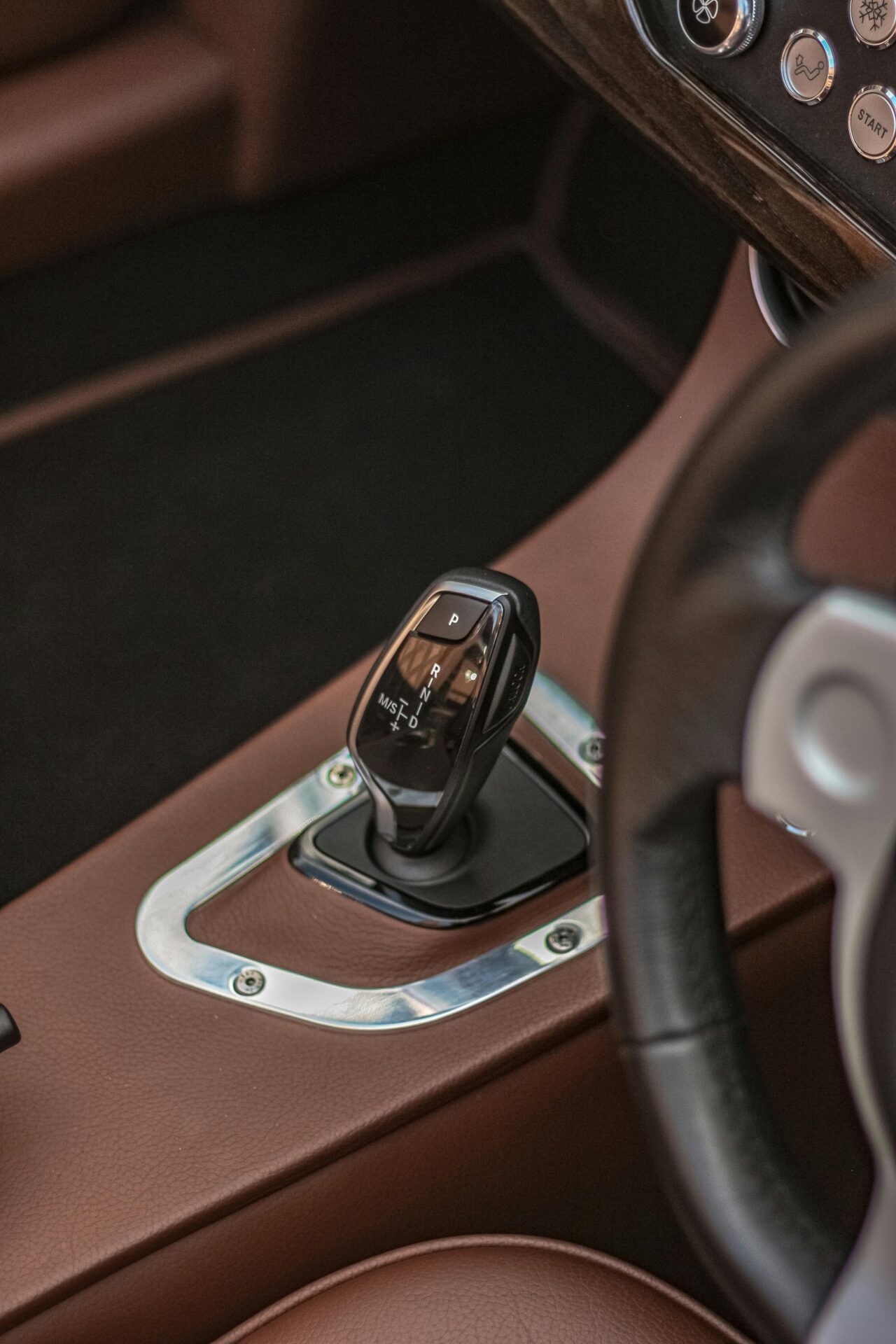
The introduction of hydraulic torque converters and electronically controlled gearboxes allowed automatic transmissions to become smoother, more fuel-efficient, and more responsive. These advances diminished the traditional advantages of manuals, such as better fuel economy and driver control. By the 1990s and 2000s, automatics began to rival or surpass manuals in many of these key areas, making them a more attractive option for a broad range of drivers. This broader shift toward convenience and optimized performance mirrors how services like a dentist in San Jose adapt modern techniques to meet evolving expectations and needs.
Furthermore, the development of continuously variable transmissions (CVTs) and dual-clutch automatics brought new levels of efficiency and performance, blurring the lines between manual and automatic experiences. Drivers could enjoy seamless acceleration without gear shifts, eliminating one of the core appeals of manual transmissions while retaining or improving on fuel economy.
Manufacturers also increasingly prioritized automatics in their vehicle lineups, recognizing consumer preferences and regulatory pressures. Automatic transmissions were often paired with advanced driver-assistance systems (ADAS), which depend on smooth, predictable vehicle behavior to operate safely and effectively. This integration further cemented automatics as the default choice in modern vehicles.
Cultural Shifts and Changing Driver Preferences
Beyond the physical and technological factors, the decline of the stick shift reflects broader cultural shifts and changing attitudes toward driving itself. Driving was once viewed as an art form or a skill to be mastered, with manual transmissions symbolizing a driver’s control, engagement, and authenticity behind the wheel. Learning to operate a manual car was a rite of passage, a mark of automotive competence. As society increasingly prioritizes comfort, efficiency, and ease of use, this transition echoes other areas of life where convenience-driven solutions, such as CPAP therapy Chattanooga, TN, replace older, more demanding approaches.
However, as cities became more congested and driving more stressful, the cultural appeal of manual transmissions waned. For many, driving shifted from a leisure activity to a routine necessity, often associated with frustration and stress rather than enjoyment. The demand for comfort, convenience, and reduced effort grew, and automatic transmissions fit neatly into this new mindset.
This shift in driver attitudes was further accelerated by changes in licensing and driver education. In many regions, driving tests for manuals became less common or were bypassed altogether, leading to fewer drivers learning how to use a stick shift. This trend created a feedback loop: as fewer people knew how to drive manuals, fewer manufacturers offered them, and fewer consumers demanded them. In much the same way that people now default to specialized professionals like a dentist in Salt Lake City for efficiency and expertise, drivers increasingly gravitate toward options that remove complexity and effort.
Media and popular culture also played a role. While stick shifts are still celebrated in car enthusiast communities and racing games, mainstream automotive advertising increasingly emphasized ease of use, safety features, and modern technology, qualities often associated with automatic transmissions. This framing contributed to a perception of manuals as outdated or niche.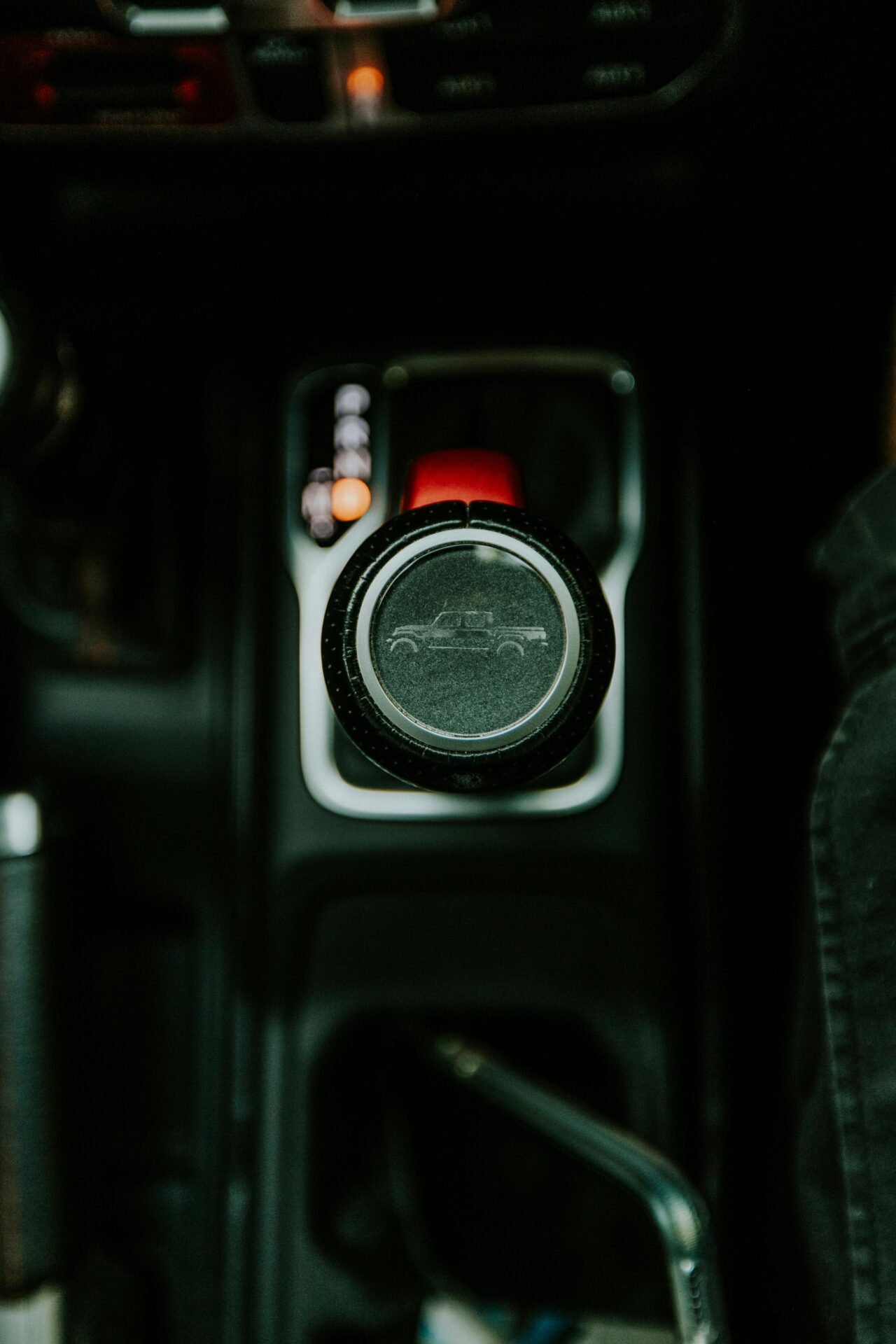
Economic and Environmental Influences on Transmission Trends
Economic factors have also influenced the decline of stick shift cars in the context of urban growth. While manuals have historically been cheaper to manufacture and maintain, the gap narrowed as automatic transmissions became more widespread and production costs decreased. Automatics became the standard option for mass-market vehicles, driving economies of scale that further lowered prices and improved reliability. This shift toward standardization mirrors trends in other industries, where consumer convenience and scalability drive adoption, much like the growing demand for roofing in Austin as expanding urban development favors efficient, widely available solutions.
At the same time, urban areas faced increasing pressure to reduce emissions and improve air quality. Early automatic transmissions were often less fuel-efficient, but modern automatics, especially CVTs and dual-clutch designs, have achieved or exceeded the fuel economy of manuals. This shift removed a significant incentive for sticking with manual transmissions purely for efficiency reasons.
Additionally, urban congestion and idling cause increased fuel consumption and emissions, regardless of transmission type. Automatics, with their ability to optimize gear ratios and support stop-start systems, provide tangible benefits in reducing pollution and fuel waste in stop-and-go traffic. This environmental benefit aligns with growing regulations in cities aimed at improving air quality and mitigating climate change. This emphasis on efficiency and compliance parallels how organizations rely on lab consulting services to help navigate regulatory standards and implement optimized systems that support environmental sustainability.
Public transportation, ride-sharing, and alternative mobility options have also changed the role of the personal car in urban environments. When cars are used more for short trips and frequent stops, the convenience of automatics becomes paramount. This practical shift reinforces consumer demand for automatic transmissions and reduces the market share for manual vehicles. This evolving pattern of urban mobility reflects how people increasingly rely on curated information sources, much like a cybersecurity newsletter, to stay informed efficiently as complex systems and habits continue to change.
The Future of Driving: Where Does the Manual Transmission Stand?
Today, the manual transmission is a rarity in many parts of the world, especially in urbanized countries like the United States, Canada, and much of Asia. Statistics show that manual cars now represent less than 2-3% of new car sales in these regions, while automatics dominate the market. However, the story does not end with the complete disappearance of manuals; instead, they have found a more specialized niche. Similarly, just as manual cars now serve a specialized market, many patients turn to dental implants in Staten Island for tailored solutions that address specific oral health needs.
In the automotive enthusiast community, manual transmissions remain prized for the control, engagement, and skill they offer. Sports cars, performance vehicles, and certain off-road models still offer manual options, catering to drivers who seek a more connected driving experience. The manual stick shift thus serves as a cultural symbol and an artifact of driving heritage. In a similar way, finding the right property in a competitive market often requires expertise, which is why many rely on a trusted realtor in Brampton to navigate listings and secure the best opportunities.
Looking forward, the rise of electric vehicles (EVs) poses a fundamental challenge to traditional transmissions of any kind. Most EVs use a single-speed transmission due to the electric motor’s broad torque range, making both manual and automatic multi-gear systems unnecessary. As EV adoption grows—especially in urban centers with strong environmental policies—the future of the manual transmission may become even more limited.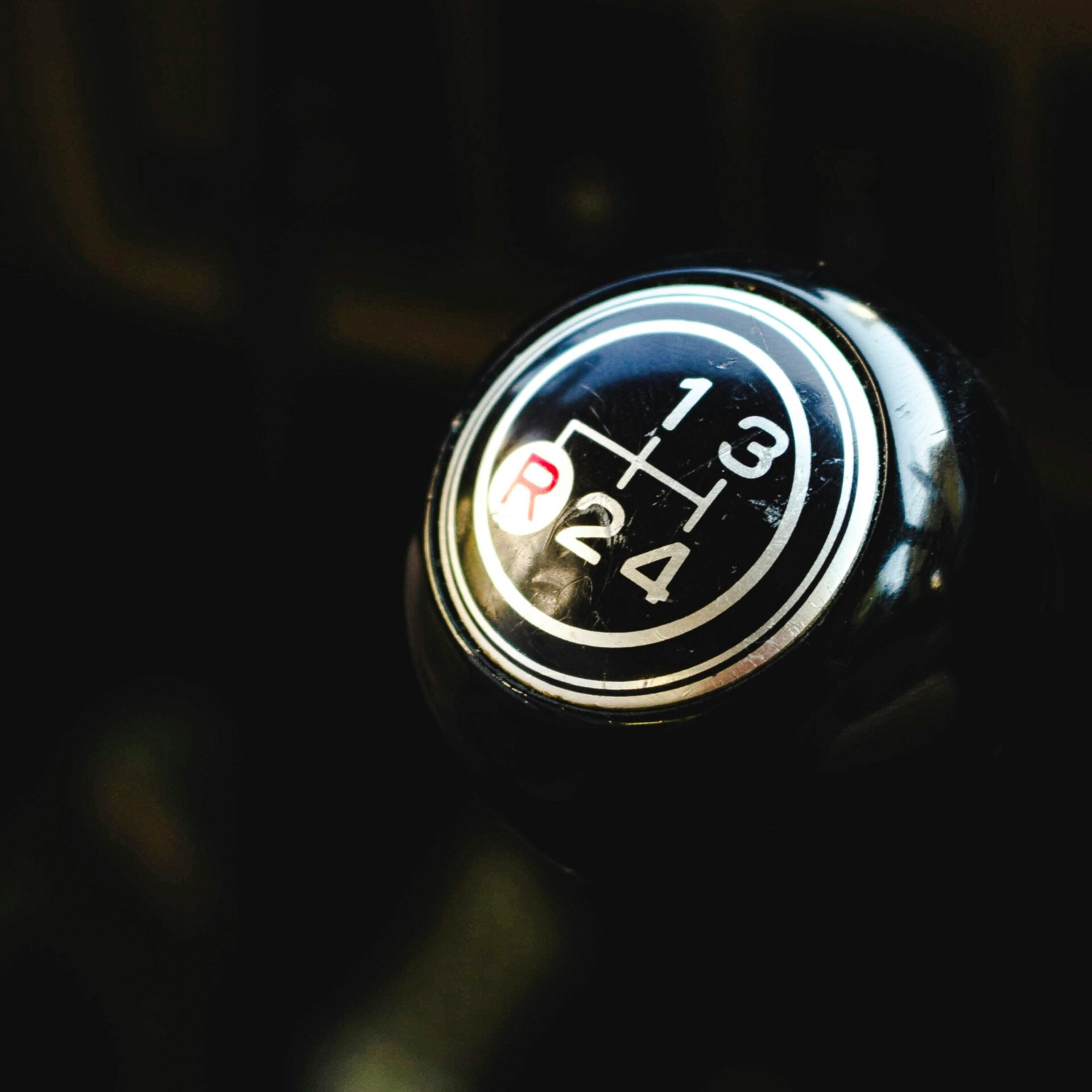
That said, the enduring allure of manual driving for enthusiasts, coupled with its symbolic value, suggests that the stick shift will not vanish entirely anytime soon. Instead, it may continue as a niche feature in specialty vehicles, preserved by a passionate community and automotive culture.
In summary, the decline of the manual transmission is a multifaceted story shaped by urban growth, congestion, technological innovation, cultural shifts, and evolving economic and environmental priorities. These forces combined to redefine the driving experience, privileging ease, comfort, and efficiency over traditional notions of control and skill. The automatic transmission’s domination reflects not only changes in machinery but profound shifts in how society navigates and experiences the modern urban landscape.
About the Author
