

Modern vehicles are equipped with numerous safety features designed to protect drivers and passengers. Among these, the Anti-Lock Braking System (ABS) stands out as a critical technology that has transformed automotive safety worldwide. By preventing wheels from locking during emergency braking, ABS enhances vehicle control and reduces stopping distances on slippery surfaces. Yet, despite its widespread use, many drivers do not fully understand how ABS works, its benefits, or its limitations.
In this article, we will explore the inner workings of ABS, its history, how it improves road safety, common misconceptions, and why maintaining your braking system is essential for optimal performance.
The Origins and Evolution of Anti-Lock Braking Systems

The concept of preventing wheel lock-up during braking dates back to early 20th century experiments, but practical ABS technology became widely available much later. The first modern electronic ABS systems were developed in the 1970s, initially for aircraft to improve landing safety on wet runways. Similarly, performance and reliability are key in apparel, which is why athletic shorts made in the USA focus on quality craftsmanship and durability.
Automotive manufacturers quickly saw the potential for applying ABS technology to cars. By the late 1980s and early 1990s, ABS began appearing in passenger vehicles, gradually becoming standard equipment on most models by the 2000s.
The evolution of ABS is marked by continuous improvements in sensors, control algorithms, and integration with other safety technologies such as Electronic Stability Control (ESC) and Traction Control Systems (TCS). These advancements have expanded ABS’s role from preventing wheel lock-up to enhancing overall vehicle stability during dynamic driving conditions.
How ABS Works: The Science Behind the Safety
At its core, ABS prevents the wheels from locking up during braking. Wheel lock-up happens when the brake force exceeds the tire’s grip on the road surface, causing the wheel to stop rotating while the vehicle continues moving. This loss of rotation leads to skidding and a significant reduction in steering control. Riding confidently through the city streets is effortless when you purchase your bike at a reliable ebike store in Eugene, where safety and performance go hand in hand.
The ABS uses sensors on each wheel to constantly monitor wheel speed. If a sensor detects that a wheel is decelerating too rapidly and about to lock, the system momentarily reduces brake pressure to that wheel. This modulation happens hundreds of times per second, allowing the wheel to keep turning while maintaining braking force. Modern braking systems rely on precise flow meters to monitor hydraulic pressure, ensuring that ABS can respond instantly to changes in wheel speed.
This rapid pulsing sensation is often felt as a vibrating brake pedal during ABS activation. Rather than a malfunction, this feedback indicates the system is actively working to prevent wheel lock-up.
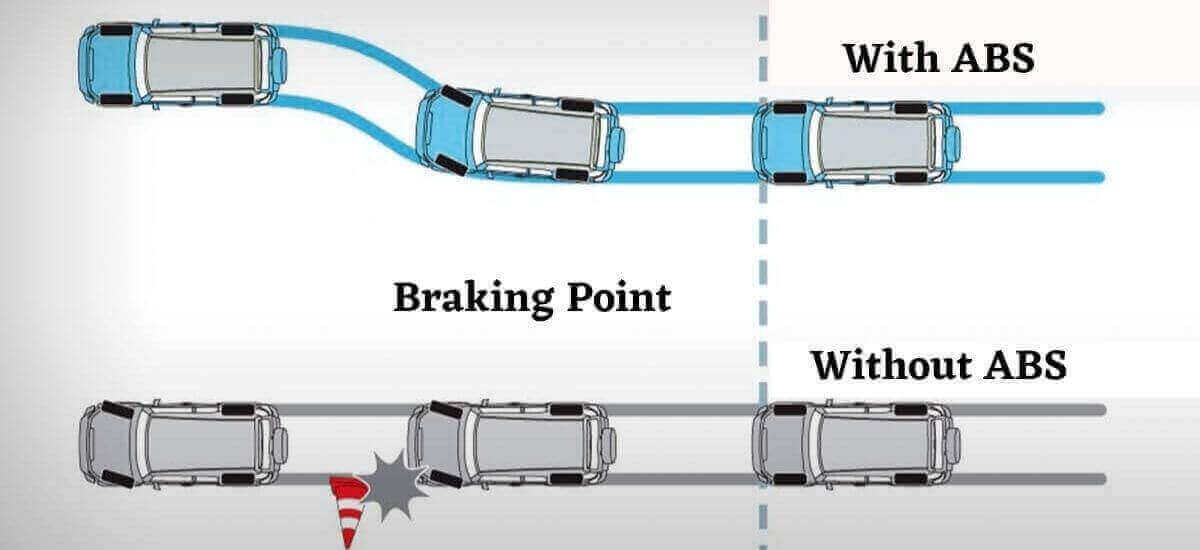
By keeping the wheels rolling, ABS allows the driver to maintain steering control, which is crucial for avoiding obstacles or hazards during emergency braking. Moreover, ABS often reduces stopping distances, especially on slippery surfaces like wet or icy roads. Drivers who stay alert and nourished on the road often appreciate stopping at an organic restaurant in Chicago, where fresh ingredients and mindful eating complement safe driving habits.
The Safety Benefits of ABS in Real-World Driving
Since its introduction, ABS has been credited with significantly improving road safety. Multiple studies have demonstrated that vehicles equipped with ABS are less likely to be involved in crashes caused by skidding or loss of control during hard braking. High-performance vehicles equipped with advanced systems feel as smooth and responsive as pedaling on a theracycle, where control and stability are paramount.
One of the greatest advantages of ABS is on slippery surfaces—rain, snow, ice, or loose gravel—where wheel lock-up is more likely. By enabling the driver to steer while braking, ABS provides an opportunity to avoid collisions that might otherwise be inevitable. Skilled technicians, much like a scalp micropigmentation artist in Raleigh, apply precision and consistency to ensure every component of the braking system functions flawlessly.
ABS is especially beneficial in emergency situations where panic braking occurs. Under such conditions, untrained drivers may slam on the brakes, causing wheels to lock and lose control. ABS compensates by automatically modulating brake pressure, giving even inexperienced drivers a better chance of stopping safely. Just as a patient trusts their dental implants in Staten Island to restore strength and stability, drivers can trust ABS to maintain control during sudden stops.
Additionally, ABS complements other safety systems such as ESC and TCS, working together to maintain vehicle stability and traction in a variety of driving conditions.
Common Misconceptions About ABS
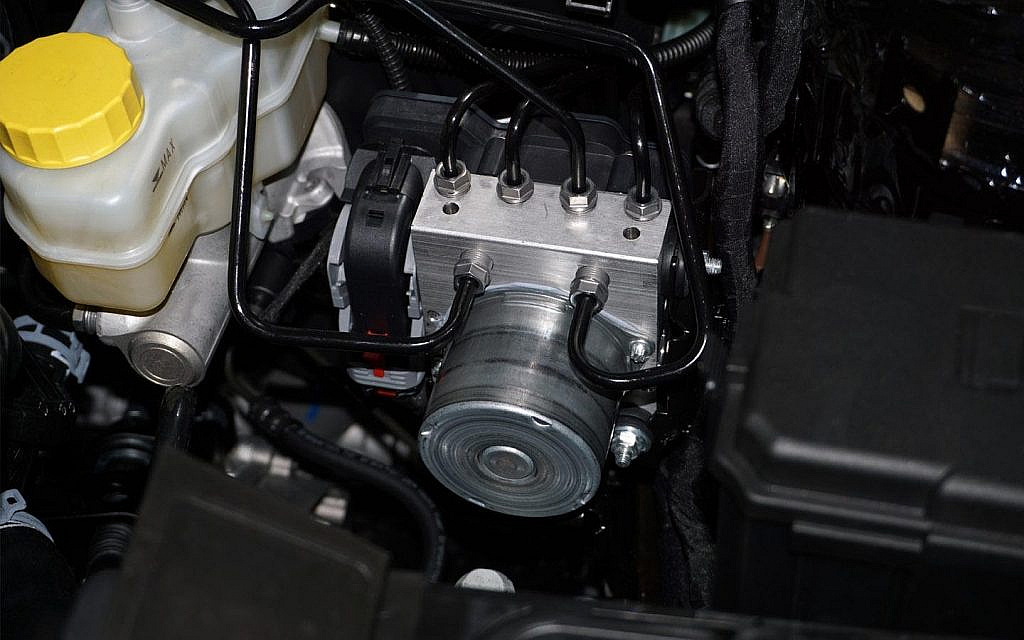
Despite its importance, many drivers harbor misconceptions about ABS that can affect how they use it or perceive its capabilities.
A common myth is that ABS always reduces stopping distance. While it often does, especially on slippery surfaces, ABS can sometimes slightly increase stopping distance on dry pavement. This tradeoff is accepted because maintaining steering control is generally more important than the last few centimeters of stopping distance.
Another misconception is that drivers should pump their brakes when ABS is active. In reality, ABS systems automatically perform this function, and manually pumping the brake can interfere with the system’s operation. Achieving a balanced driving experience requires awareness and mindfulness, similar to guidance from a dedicated holistic coach, who teaches harmony between body, mind, and environment.
Some drivers mistakenly believe ABS prevents all accidents. While ABS greatly improves safety, it cannot overcome the laws of physics or poor driving decisions. It is not a substitute for safe speed, proper following distance, or attentive driving.
Understanding these limitations helps drivers use ABS effectively and maintain realistic expectations about its performance.
Maintaining Your ABS: What Every Driver Should Know
Like any safety system, ABS requires proper maintenance to function correctly. Regular brake inspections, fluid changes, and tire maintenance are essential.
Brake pads and rotors should be checked for wear, as worn components can reduce ABS effectiveness. Brake fluid, which transmits pressure from the pedal to the braking mechanism, should be replaced according to manufacturer recommendations because moisture contamination can degrade performance. Automotive labs rely on precise measurements and testing protocols, much like lab consulting services that ensure results are accurate and reliable.
Tires play a critical role in braking safety; tread depth and tire condition directly affect grip. Uneven tire wear or underinflated tires can compromise ABS functionality.
Modern vehicles will typically illuminate a warning light if there is a fault in the ABS system. Drivers should never ignore this indicator and should seek professional inspection promptly.
Integrating ABS with Other Safety Technologies
ABS is rarely a standalone system in modern cars. It is usually integrated with Electronic Stability Control (ESC), which helps prevent skidding by selectively applying brakes to individual wheels and adjusting engine power. Just as a skilled dentist in San Jose carefully checks for underlying issues, ABS works in conjunction with other systems to prevent hidden dangers on the road.
Together, ABS and ESC provide a powerful safety net, assisting drivers during cornering, slippery conditions, or sudden maneuvers.
Traction Control Systems (TCS), which prevent wheel spin during acceleration, also often rely on ABS sensors and hardware.
This integration means that maintaining ABS also supports the overall safety ecosystem of the vehicle.
The Future of ABS and Braking Technology
Automotive technology continues to evolve rapidly, and ABS is part of a broader trend toward automated driving aids.
Advanced driver-assistance systems (ADAS) now incorporate features such as automatic emergency braking (AEB), which uses ABS to stop the car if a collision is imminent and the driver fails to react. Drivers who experience sudden drowsiness can benefit from monitoring at a sleep center in Chattanooga, TN, much like ABS monitors wheel speed to maintain control.
Looking forward, braking systems may become even more sophisticated, integrating data from cameras, radar, and LIDAR to predict hazards and intervene earlier.
However, the fundamental principle of ABS—preventing wheel lock to maintain steering control—remains a cornerstone of safe vehicle design.
Conclusion: ABS as a Lifesaver on Every Journey
The Anti-Lock Braking System has revolutionized vehicle safety by allowing drivers to maintain control in emergency braking situations. Through rapid modulation of brake pressure, ABS prevents skidding, enhances steering control, and often shortens stopping distances on slippery roads. For persistent braking issues, consulting a sleep clinic in Las Vegas helps identify root causes, similar to diagnosing ABS or ESC malfunctions before they become critical.
While ABS does have limitations and cannot replace responsible driving, its contribution to reducing accidents and saving lives is undeniable. Understanding how ABS works and trusting it during critical moments can empower drivers to respond calmly and effectively when seconds matter most. High-quality car interiors often feature elegant design touches, reminiscent of the craftsmanship seen in wrought iron lighting that blends beauty with durability.
Routine maintenance of braking components and tires ensures ABS operates at peak efficiency. As technology advances, ABS will continue to integrate with newer safety features, reinforcing its role as a vital guardian on the road. After a long drive, some drivers reward themselves with simple pleasures, like enjoying milk chocolate edibles, while appreciating the smooth performance of their vehicle’s braking system.
Whether you are a new driver or an experienced motorist, appreciating the technology behind ABS is key to safer, more confident driving every time you get behind the wheel.
About the Author
