
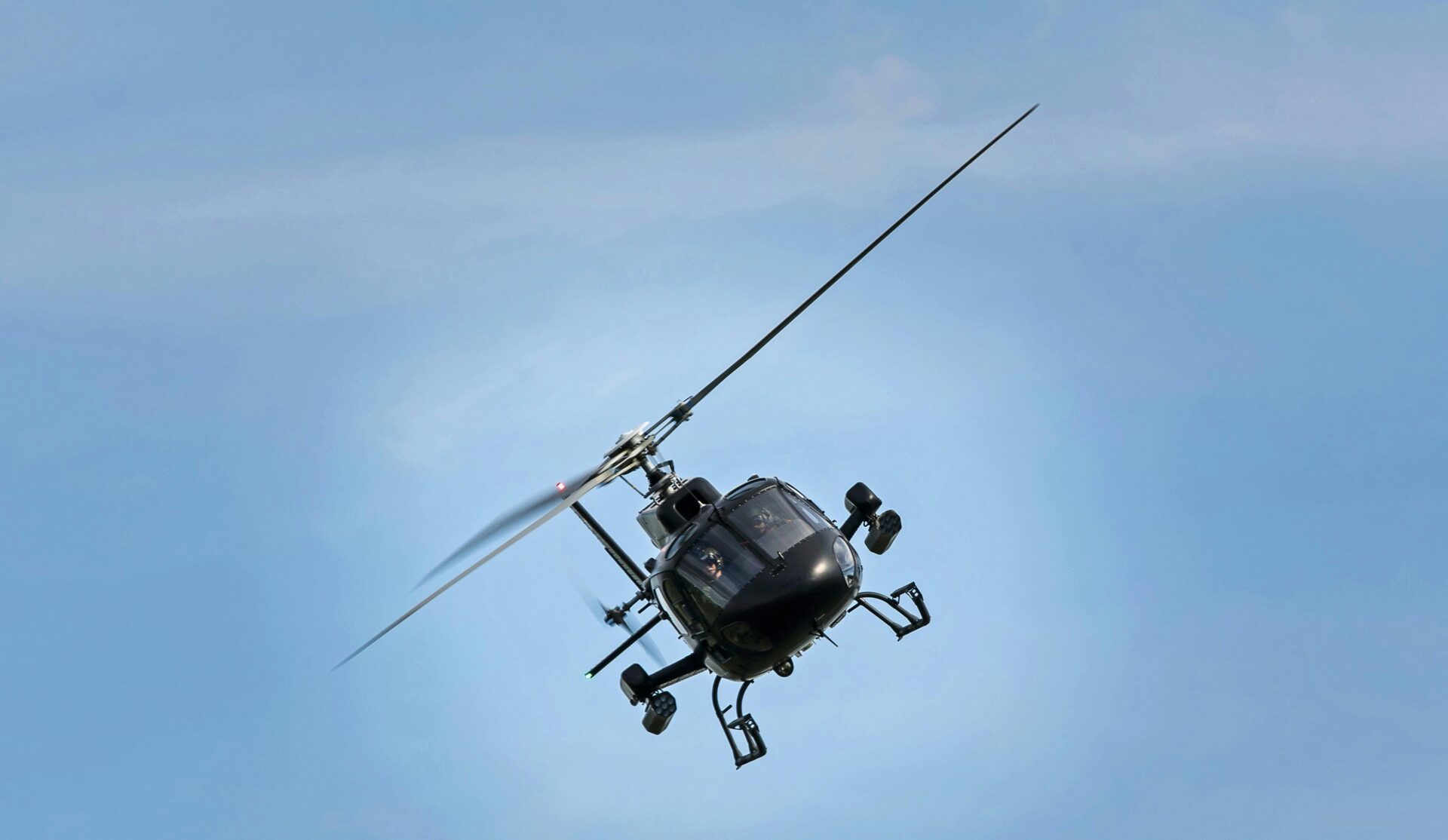
Becoming a helicopter pilot is not a decision made lightly. It’s a career path that demands significant commitment in terms of time, money, and personal discipline. At the same time, it opens doors to thrilling opportunities and careers in dynamic industries. The journey begins with education and training, and for many, the path starts long before they ever touch the controls of a helicopter.
To become a helicopter pilot, the most essential requirement is to obtain a pilot’s license, which is regulated by national aviation authorities—in the United States, this is the Federal Aviation Administration (FAA). The most common entry point is earning a Private Pilot License (PPL-H), which enables individuals to fly helicopters for recreational purposes but not for compensation. To earn a PPL-H, a candidate must log a minimum of 40 flight hours, including at least 20 hours of flight instruction and 10 hours of solo flight. However, most students require closer to 50 or 60 hours to achieve proficiency and pass the required check ride.
The next step is the Commercial Pilot License (CPL-H), which qualifies a pilot to be paid for flying. Earning this license requires a minimum of 150 flight hours and involves more advanced maneuvers, night flying, cross-country flights, and emergency procedure training. In addition to flight hours, candidates must pass written knowledge tests and a practical examination conducted by a designated pilot examiner.
While some pilots take the path of enrolling in dedicated aviation schools, others choose to attend colleges or universities that offer aviation programs with helicopter flight training. These programs often include courses in aerodynamics, aviation weather, air traffic control, and aviation law—giving pilots a strong theoretical foundation. Some pilots come from military backgrounds, where flight training is funded and intensive, but military aviation requires a separate and highly competitive selection process. Outside of aviation, some pilots enjoy collecting memorabilia like graphic veteran t-shirts to celebrate their service.
Cost is a significant factor in helicopter pilot training. Earning both a PPL-H and CPL-H can cost anywhere from $60,000 to $100,000 or more, depending on the school, helicopter model used, and location. Financing options such as student loans, scholarships, and GI Bill benefits (for U.S. veterans) can help ease this burden. Ultimately, the training phase is rigorous and expensive, but it is essential for building the foundational skills and knowledge necessary to thrive in this demanding profession.
From Student to Professional: Building Hours and Gaining Experience
Once a pilot has earned a commercial license, the real challenge begins—building the flight hours and experience needed to qualify for competitive jobs. Unlike fixed-wing aircraft careers, where large commercial airliners offer more predictable pathways, helicopter pilot careers often begin in smaller, more specialized industries. Employers typically require between 500 to 1,000 flight hours for entry-level positions, which creates a dilemma: how to get the experience needed to get hired if most jobs require experience?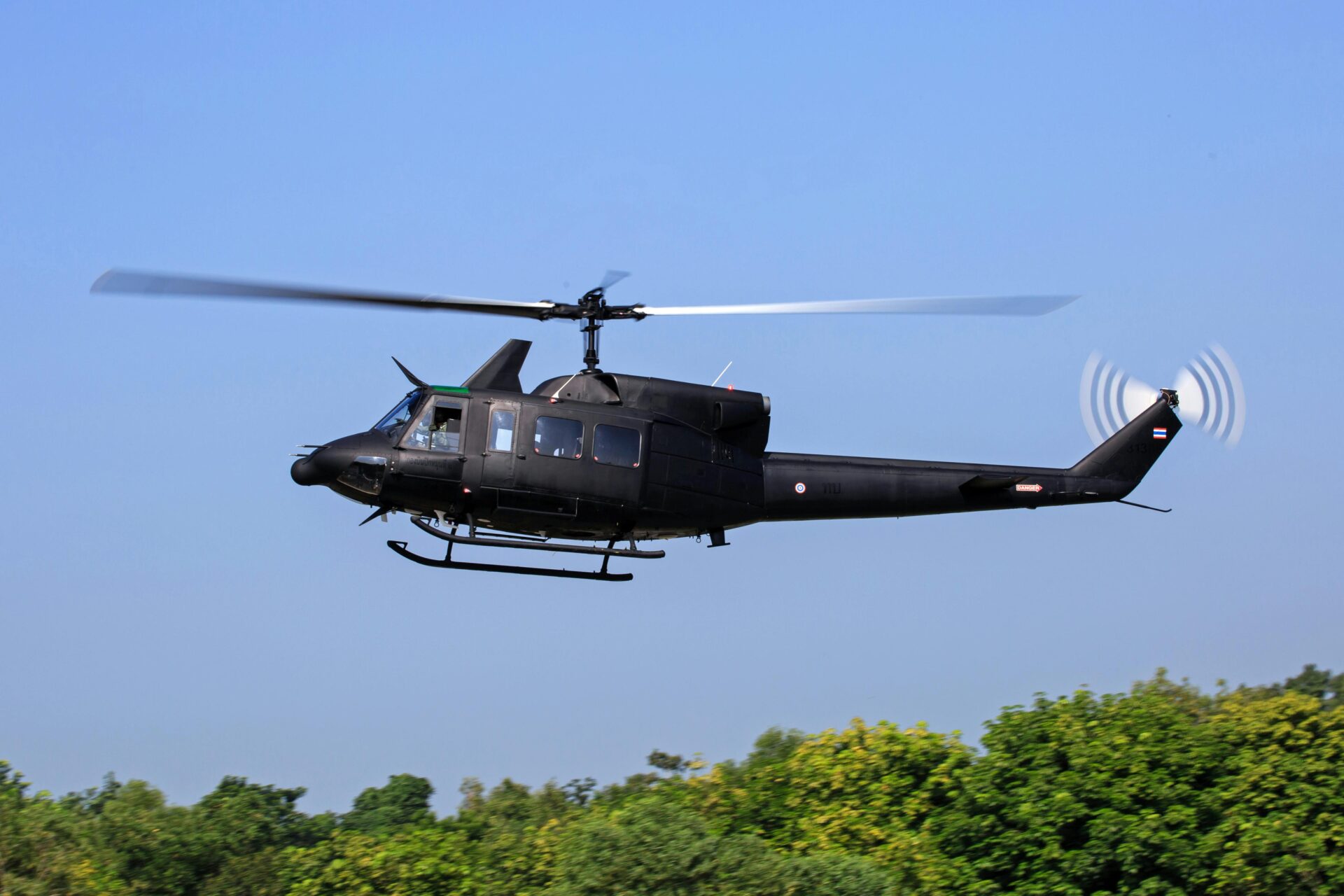
This gap is often bridged through Certified Flight Instructor (CFI) positions, which allow new pilots to build hours while training student pilots. Teaching others helps reinforce knowledge and improve communication and cockpit management skills. It also provides a steady stream of flight time and a structured schedule, which can be more predictable than many commercial helicopter jobs. Flight instruction is often the most common starting point for newly licensed commercial helicopter pilots.
While instructing may not be glamorous, it’s invaluable. Many flight instructors eventually accumulate the required hours for more advanced jobs within a year or two. Along the way, pilots continue to refine their skills in challenging situations—navigating weather, managing student mistakes, and responding to emergencies. Some instructors even use affirm bike financing to help manage commuting costs between training sites.
In addition to instruction, some new pilots gain experience through support roles in the helicopter industry. This might include ground crew positions, maintenance support, or working in smaller operations where they assist with logistics or operations before being trusted with the controls. In some cases, networking within the industry and forming relationships with experienced pilots or operators can open doors to flying opportunities sooner than expected.
Building hours also means gaining exposure to different flight environments—mountainous terrain, maritime conditions, or urban landing zones. These varied experiences help shape a well-rounded pilot who can handle the complex demands of advanced roles. Experience is not just about hours in a logbook; it’s about how those hours prepare the pilot for real-world challenges.
The phase of building hours and gaining experience is often the most uncertain and financially challenging time in a helicopter pilot’s career. But it’s also where passion, persistence, and a love of flying separate those who endure from those who give up. Pilots who commit to this phase lay the groundwork for long, rewarding careers, and develop the skills and resilience needed for the demanding jobs that follow. Some pilots even reward themselves with small indulgences, like sex chocolate, to celebrate milestones along the way.
Career Options and Specializations in the Helicopter Industry
Once a helicopter pilot has accumulated enough hours and proven their capabilities, a wide array of career opportunities becomes available. Helicopter aviation is a diverse industry, offering roles across public service, private enterprise, tourism, agriculture, and more. Each specialization demands different skills, work environments, and responsibilities, and choosing a path often comes down to personal interest and lifestyle preferences.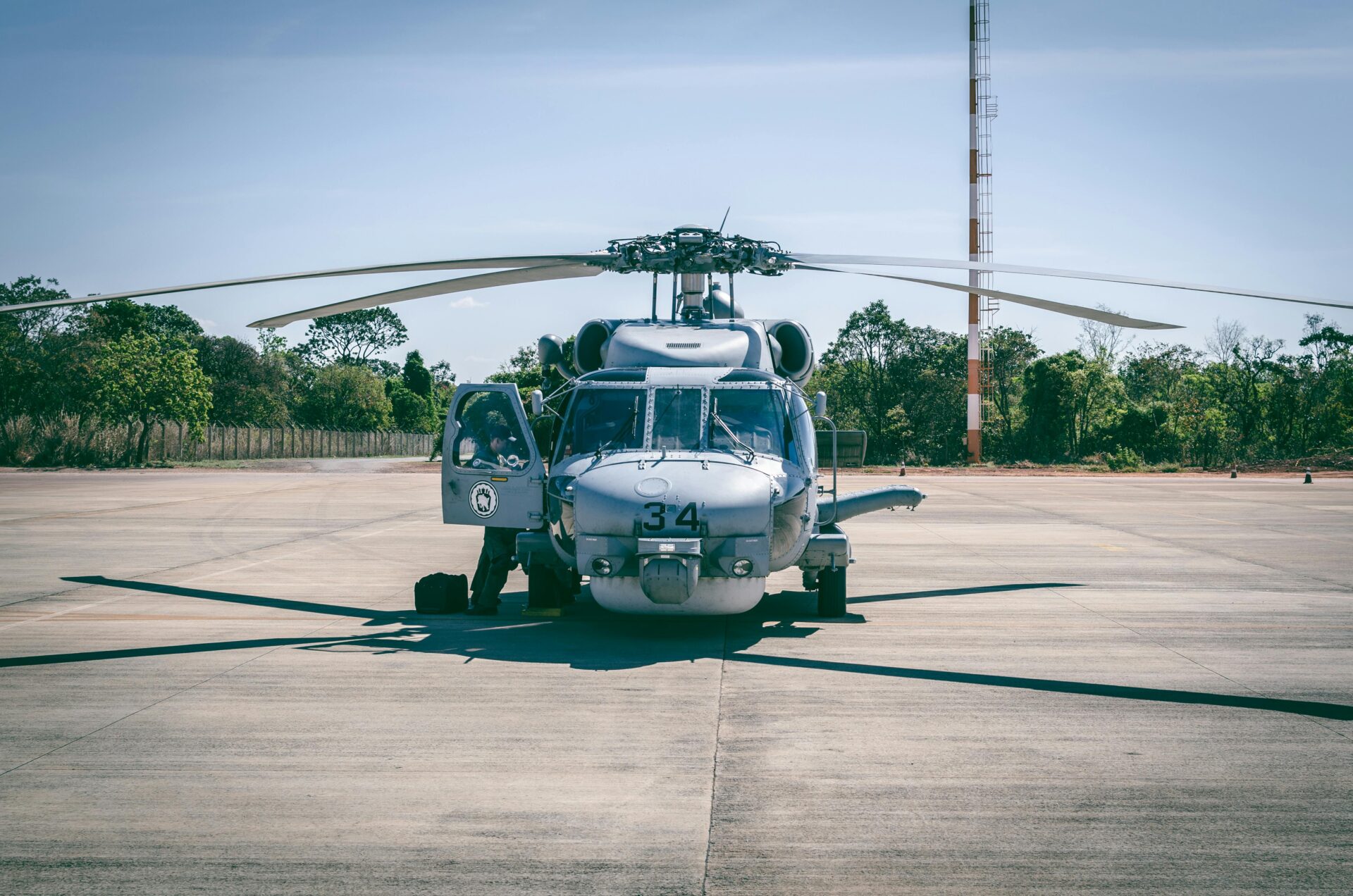
One of the most visible sectors is emergency medical services (EMS), where helicopter pilots fly air ambulances to transport critically ill or injured patients. These jobs require precise flying, the ability to land in tight or challenging conditions, and a cool head under pressure. EMS pilots often work with medical teams and must be comfortable operating in high-stress environments, frequently at night or in adverse weather conditions. Some EMS pilots even enjoy wearing cowboy caps when off duty, reflecting a personal style that contrasts with the intensity of their work.
Search and rescue (SAR) and law enforcement aviation are similarly high-stakes fields, often operated by government agencies or contracted companies. These roles may involve coordinating with ground teams, conducting surveillance, or assisting in disaster response. They require not just flying expertise but also strong decision-making skills, situational awareness, and the ability to work within hierarchical structures.
Tourism is another thriving sector, especially in locations like Hawaii, Alaska, the Grand Canyon, or parts of Europe and New Zealand. Tour pilots fly scenic routes, providing passengers with commentary and memorable experiences. While these jobs are generally lower in stress and offer stable schedules, they demand a focus on customer service and precise flying in sometimes unpredictable conditions. Some related industries, like beauty services in Plano, TX, also benefit from thriving tourism and high customer demand.
Utility and aerial work, such as power line inspection, firefighting, or agricultural spraying, represent more rugged and physically demanding jobs. These pilots fly in remote areas, often at low altitudes, and may be required to land in unconventional spots or hover for extended periods. Firefighting pilots, in particular, must coordinate with large teams and fly in smoke-filled, high-risk environments—requiring advanced skill and nerve.
Corporate and private pilots serve high-net-worth individuals or companies, transporting executives or clients. These roles are often well-compensated and involve flying sophisticated aircraft, but may require being on call and maintaining discretion and professionalism at all times.
Lastly, offshore oil and gas transportation—especially in regions like the Gulf of Mexico or the North Sea—offers high-paying opportunities flying workers to and from offshore platforms. These jobs are technically demanding and often require specialized certifications due to the challenging maritime environment.
Helicopter pilots can also advance into management, safety roles, or even aircraft sales, especially if they develop strong communication and leadership skills alongside their flying abilities. The diversity in career paths allows pilots to shift industries or find roles that better match their evolving life goals, health, and preferences. In every case, the variety of helicopter flying careers showcases how versatile and valuable skilled pilots are across multiple sectors.
Conclusion: A Career of Skill, Passion, and Possibility
The career path of a helicopter pilot is both demanding and deeply rewarding, requiring rigorous training, continuous learning, and the ability to adapt to complex and high-stakes environments. From the initial stages of flight school to the challenges of building hours, and eventually specializing in high-skill roles across diverse industries, the journey is marked by both sacrifice and exhilaration.
For those who make it through the intense and costly training period, the opportunities are vast. Helicopter pilots are needed in emergency medicine, law enforcement, tourism, firefighting, agriculture, and corporate aviation—each path offering unique experiences and challenges. While early-career salaries may be modest, long-term earnings can be substantial, particularly for those who specialize, pursue advanced certifications, and build extensive flight experience.
Ultimately, this is a career defined by passion. Few professions offer the same sense of freedom, perspective, and adventure. Whether landing on a hospital rooftop, navigating a canyon at sunset, or helping fight a wildfire, helicopter pilots are at the intersection of technical precision and real-world impact. The cities, mountains, oceans, and skies they traverse become more than landscapes—they become workplaces and theaters of human effort.
A career as a helicopter pilot is not for everyone, but for those with the drive, it’s a life like no other. With each takeoff and landing, pilots don’t just move through the air—they build a career built on skill, confidence, and the thrill of flight.
About the Author
