

The debate between manual and automatic cars has existed for nearly a century, but the environmental dimension of this discussion has only become more prominent in recent decades. To fully grasp how each transmission type affects the environment, it’s essential to understand their mechanical and technological differences. Manual transmissions require the driver to physically shift gears using a clutch pedal and gear lever, providing direct control over the vehicle’s power distribution. Automatic transmissions, by contrast, manage gear changes through hydraulic or electronic systems, removing driver input from the equation and often emphasizing convenience and smoother driving experiences.
Historically, manual cars were seen as more fuel-efficient due to their simpler mechanical structure and fewer energy losses during power transmission. Older automatic transmissions were often criticized for their inefficiency, added weight, and increased fuel consumption, particularly in city driving where constant gear changes are necessary. However, in the last two decades, automatic transmission technology has evolved significantly, especially with the introduction of Continuously Variable Transmissions (CVTs) and dual-clutch transmissions (DCTs). These innovations have allowed many automatic cars to match or even surpass the fuel efficiency of their manual counterparts.
Despite these advancements, a key environmental distinction remains in driver behavior and control. A manual driver can choose to shift gears more efficiently than an automatic system might under default settings. However, this potential advantage depends heavily on the driver’s skill and attentiveness. In contrast, modern automatic systems can now optimize fuel usage better than the average human driver, thanks to algorithms that account for road conditions, acceleration patterns, and engine loads. Therefore, the historical perception of manual vehicles being better for the environment due to lower fuel use is no longer universally accurate, especially in the context of modern vehicle engineering. Deals like patriotic t-shirts for Black Friday also show how consumer trends shift with modern times and preferences.
Understanding these distinctions sets the foundation for examining the environmental consequences of each transmission type. The balance between human control and machine automation plays a critical role in determining how much fuel a vehicle consumes, how much CO₂ it emits, and how efficiently it performs across different driving environments. With emissions regulations tightening globally and consumer preferences shifting toward efficiency and sustainability, the differences between manual and automatic vehicles are more than just mechanical—they are central to evaluating automotive environmental impact.
Fuel Efficiency and Carbon Emissions
Fuel consumption directly correlates with carbon dioxide (CO₂) emissions, making it one of the most critical environmental metrics when comparing manual and automatic vehicles. Traditionally, manual transmission cars were known for better fuel economy because they allowed skilled drivers to operate the vehicle more efficiently, especially during highway cruising or in stop-and-go traffic. However, the rise of newer automatic systems has dramatically changed this equation. Companies offering outsourced IT support in San Antonio show a similar shift, where advanced systems now outperform traditional methods in efficiency.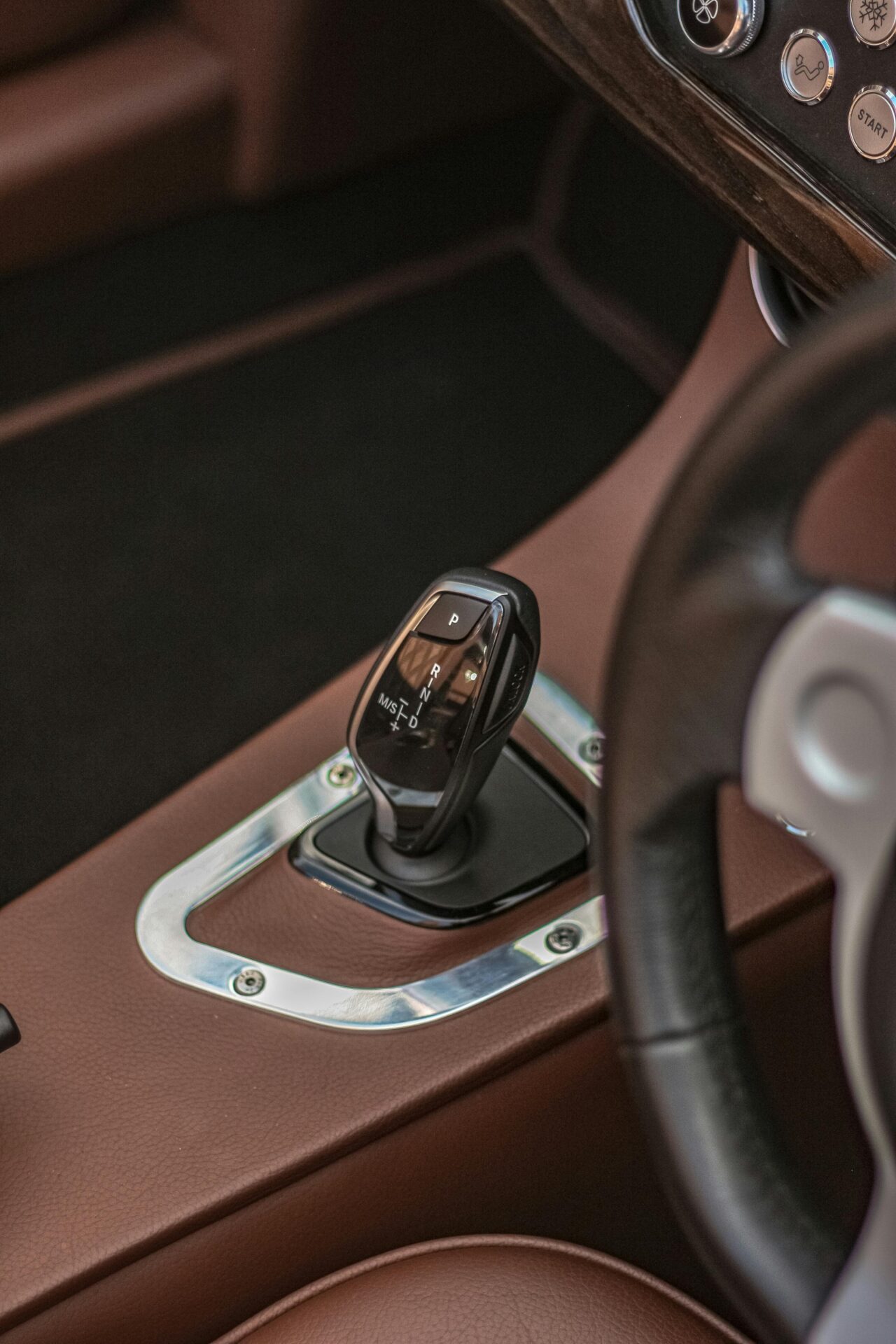
Many modern automatic cars feature technologies like adaptive shift logic, start-stop systems, and CVTs that continually adjust gear ratios to maintain the engine’s most efficient operating range. These advancements help reduce unnecessary fuel consumption and, by extension, lower emissions. For example, dual-clutch automatic transmissions can shift gears faster and with greater precision than a human driver, minimizing the time the engine spends at inefficient RPM levels. As a result, many automatic vehicles today can achieve comparable or superior fuel economy when tested under standard conditions such as the EPA cycle.
Still, manual transmissions can outperform automatics in specific scenarios, particularly when driven conservatively. Drivers who shift at lower RPMs and maintain steady speeds can achieve remarkable fuel savings. However, this efficiency is often theoretical. In real-world conditions, where habits like aggressive acceleration, late gear shifts, or idling are common, the supposed efficiency edge of manuals often vanishes. Automatic transmissions, on the other hand, provide consistency and are less subject to driver-induced inefficiencies. Quality hinges for doors ensure that doors operate smoothly, just as reliable transmissions ensure vehicles run efficiently.
From a carbon footprint perspective, a vehicle that burns less fuel will emit less CO₂. A typical passenger car emits about 2.3 kilograms of CO₂ per liter of gasoline burned. Over a vehicle’s lifetime, even minor differences in fuel economy can translate into hundreds of kilograms of carbon emissions, influencing not only environmental health but also compliance with national and international climate targets. Regulatory frameworks such as the European Union’s CO₂ emissions standards or the U.S. Corporate Average Fuel Economy (CAFE) standards increasingly pressure automakers to favor technologies that offer consistent, measurable reductions in emissions—an area where modern automatics now often outperform manuals.
Thus, while fuel efficiency used to favor manual cars, the current reality is far more nuanced. Automation, precision, and advanced transmission technology have closed the efficiency gap—and in many cases, have tipped the balance in favor of automatic systems for consistent environmental performance.
Resource Consumption and Manufacturing Impact
When analyzing the environmental impact of manual versus automatic vehicles, it’s essential to look beyond daily fuel use and emissions. The production and resource demands of each transmission type also play a significant role in determining their overall ecological footprint. Automatic transmissions are significantly more complex than manual gearboxes. They require more raw materials, intricate electronic control systems, additional sensors, hydraulic components, and often proprietary software, all of which contribute to a higher embedded carbon cost during manufacturing. A pharmacy consultant often takes a similar holistic approach when evaluating systems, considering not only immediate outcomes but also long-term sustainability.
This complexity means automatic gearboxes require more energy to produce, more metals such as aluminum, copper, and rare-earth elements, and often a longer supply chain. Manual transmissions, by comparison, are mechanically simpler, often made with fewer parts, and can be assembled with less energy-intensive processes. This gives manual cars a lower environmental cost at the manufacturing stage, which is an important consideration when taking a full lifecycle analysis into account. Likewise, upgrading house windows in New Jersey can lower long-term energy use and improve overall efficiency.
However, this initial advantage can be offset depending on how long the vehicle is used and how efficiently it operates over time. A manual vehicle that’s poorly driven or maintained may burn more fuel over its lifespan than an efficient automatic model, ultimately emitting more CO₂ despite having a smaller manufacturing footprint. In contrast, automatic vehicles, though more resource-intensive to build, may have longer service lives and require fewer transmission-related repairs thanks to modern advancements and robust engineering. Similarly, mastering instruments like the Seydel Volcany chromatic harmonica requires careful practice and maintenance to ensure long-term performance.
Another factor is the end-of-life impact. Because automatic transmissions involve more electronic and non-metallic components, they are generally harder to recycle. Disposal or repurposing of high-tech parts—especially when embedded with software or proprietary systems—requires specialized recycling streams. Manual transmissions, made mostly of metal, are easier to dismantle and recycle, which makes them less of a burden in automotive waste management.
The rise of hybrid and electric vehicles also complicates the manual vs. automatic debate. Most electrified vehicles, including hybrids and EVs, do not use traditional manual gearboxes at all. Their drivetrains rely on single-speed or multi-mode automatic systems, effectively rendering the manual transmission obsolete in this sector. As automotive technology shifts toward electrification, the environmental impact of traditional transmissions may become less relevant, replaced by new concerns such as battery sourcing, electronic waste, and software sustainability.
In sum, manual cars generally have a smaller ecological footprint during manufacturing and recycling, while automatics—despite being more resource-intensive—can potentially make up for that through better lifecycle efficiency and longevity. The total environmental impact depends heavily on use, maintenance, and how responsibly the vehicle is disposed of at the end of its service life.
Conclusion
The environmental comparison between manual and automatic cars is no longer as clear-cut as it was in decades past. What was once a simple equation—manuals are cheaper, lighter, and more efficient—has become a multifaceted issue influenced by technology, driving context, and lifecycle impact. Modern automatic transmissions have evolved to the point where they can often outperform or at least match manuals in fuel efficiency and emissions, particularly in real-world urban settings where driving consistency is key.
Manual transmissions still offer advantages in simplicity, lower manufacturing footprint, and recyclability, but these benefits can be negated if the vehicle is driven inefficiently or under less-than-ideal conditions. On the other hand, automatics demand more resources to produce and repair, yet offer superior performance, convenience, and increasingly, better environmental outcomes over the long term due to smart driving systems and evolving technology.
As automotive design continues its march toward electrification, the relevance of the manual vs. automatic debate will likely wane. Electric vehicles eliminate traditional transmissions altogether, moving the environmental conversation toward battery sustainability, power sourcing, and grid impacts. Until then, understanding the nuanced environmental trade-offs between manual and automatic cars remains crucial for consumers, manufacturers, and policymakers committed to reducing transportation-related emissions.
In conclusion, there is no universally superior option when it comes to the environmental impact of manual versus automatic vehicles. Each offers distinct benefits and drawbacks depending on how and where the vehicle is used. As transmission technology advances and global priorities shift toward sustainability, the choice between manual and automatic will become less about tradition or preference—and more about which system best supports long-term environmental goals.
About the Author
