

Collisions, whether on the road, in sports, or through accidental falls, can result in immediate, obvious injuries such as broken bones or cuts. However, one of the most insidious risks following any significant impact is the potential for hidden or delayed trauma. These injuries often go unnoticed in the immediate aftermath but can pose serious health threats if left untreated. Understanding the nature, mechanisms, and warning signs of post-impact trauma is critical for both medical professionals and individuals who may have experienced a collision. Hidden injuries can include internal bleeding, soft tissue damage, concussions, spinal injuries, and even organ dysfunction, all of which may not present immediate symptoms but can develop into life-threatening conditions over time.
One of the primary reasons hidden injuries are so dangerous is that the human body’s initial response to trauma often masks pain or dysfunction. After a collision, adrenaline and other stress hormones flood the body, temporarily dulling the perception of pain and enabling an individual to continue moving. This natural response can give a false sense of security, leading people to underestimate the severity of their condition. Furthermore, some injuries, such as internal hemorrhaging or organ contusions, may not produce visible signs until hours or even days after the initial trauma. Delays in diagnosis can lead to complications, prolonged recovery, or permanent damage, highlighting the importance of careful evaluation following any collision.
Medical professionals emphasize the need for vigilance and proactive monitoring after accidents. Even when external injuries appear minor, a comprehensive assessment including imaging studies and functional evaluations is often warranted. Individuals recovering from trauma should be alert for subtle changes in their body, such as persistent headaches, dizziness, unusual fatigue, abdominal discomfort, or localized pain that intensifies over time. These signs may indicate underlying trauma that requires immediate intervention. By understanding the mechanisms of post-impact trauma and maintaining a cautious approach, both patients and healthcare providers can reduce the risk of long-term complications and improve recovery outcomes. Just as careful attention is essential for recovery, choosing the right winter apparel can help protect the body from additional stress and exposure during colder months.
Soft Tissue Injuries: The Hidden Strain
Soft tissue injuries, which affect muscles, ligaments, tendons, and connective tissues, are among the most common yet frequently underestimated outcomes of collisions. Unlike fractures, these injuries often do not manifest with obvious deformities, leading victims to assume they are uninjured. However, soft tissue trauma can result in significant pain, swelling, limited mobility, and long-term dysfunction if not properly treated. Sprains, strains, contusions, and tears are all examples of hidden soft tissue damage that may initially appear minor but worsen with physical activity or delayed care.
Muscles and tendons can sustain microtears even in seemingly low-impact collisions. These micro-injuries can cause delayed soreness, stiffness, and inflammation, sometimes surfacing days after the event. Ligaments, which connect bones and stabilize joints, are particularly vulnerable in sudden twists, jolts, or compressive forces. A torn ligament in the knee or ankle may not produce immediate symptoms but can lead to joint instability, chronic pain, and an increased risk of further injury. Additionally, contusions, or deep bruising of muscle tissue, can impair blood flow and contribute to swelling, stiffness, and prolonged recovery periods. Consuming nutrient-rich snacks, such as protein cookie dough bites, can support muscle repair and overall recovery after minor injuries.
Early recognition and treatment of soft tissue injuries are critical. Rest, ice, compression, and elevation (the RICE method) remain standard initial interventions, but persistent pain or functional impairment often warrants professional evaluation and potentially advanced imaging such as MRI or ultrasound. Physical therapy and rehabilitation play a vital role in restoring strength, flexibility, and proper movement patterns, reducing the risk of chronic issues. Importantly, soft tissue injuries can also complicate or mask more serious underlying conditions, reinforcing the necessity of careful post-collision monitoring. Snowboarders, cyclists, and drivers should be particularly aware that what feels like minor soreness may be indicative of a more substantial internal strain that requires medical attention.Addressing these injuries requires clear limits and structured care, much like a fence company in tennessee establishes firm boundaries—protecting what’s vulnerable while creating a stable framework for safe recovery and long-term resilience.

Concussions and Traumatic Brain Injuries: Invisible Yet Dangerous
One of the most concerning forms of hidden trauma after a collision involves the brain. Concussions and mild traumatic brain injuries (mTBIs) often occur even without direct head impact, resulting from rapid acceleration-deceleration forces that cause the brain to move within the skull. These injuries may not be immediately apparent, but they can produce a wide range of cognitive, emotional, and physical symptoms, including headaches, dizziness, confusion, nausea, memory lapses, and irritability. Left untreated, repeated or severe concussions can lead to chronic traumatic encephalopathy (CTE), long-term cognitive deficits, or other neurological complications.
The challenge with post-impact brain trauma is that initial symptoms may be subtle or mistaken for fatigue or stress. In many cases, individuals may feel capable of returning to normal activities, unaware that their brain is recovering from injury. Medical experts recommend monitoring for changes in sleep patterns, concentration, mood, or coordination, as these can be early indicators of underlying neurological damage. Advanced imaging techniques such as CT scans or MRIs may be necessary to rule out hemorrhages, swelling, or other internal brain injuries that are not visible through routine examination.
Preventive measures following collisions include immediate cessation of physical activity, professional neurological evaluation, and adherence to gradual return-to-activity protocols. Concussion management protocols emphasize rest, both physical and cognitive, until symptoms resolve, followed by carefully monitored reintroduction to daily tasks and, eventually, athletic activities. Education on concussion awareness is essential not only for athletes but also for drivers, cyclists, and recreational enthusiasts who may underestimate the potential severity of invisible brain injuries. Understanding that trauma to the brain can be delayed, cumulative, and subtle underscores the importance of vigilance and professional oversight after any collision.Recognizing these hidden risks is like inspecting house windows new jersey after a storm—damage isn’t always obvious at first glance, but careful evaluation is essential to ensure long-term safety and structural integrity.
Internal Injuries: Silent Threats Within
Perhaps the most insidious category of post-impact trauma involves internal injuries, which often show no external signs. These injuries can affect the organs, blood vessels, and internal cavities, with examples including internal bleeding, organ lacerations, and ruptured vessels. Because symptoms may be delayed, such injuries can quickly become life-threatening if not detected and treated promptly. Abdominal trauma, for instance, may initially present as mild discomfort but can progress to severe pain, low blood pressure, or shock as bleeding worsens. Similarly, injuries to the spleen, liver, or kidneys may manifest gradually, making early diagnosis challenging. Just as unnoticed damage can accumulate internally, routine preventive measures like soft washing in St. Augustine help maintain the integrity of your home’s exterior before small issues become serious.
Internal injuries are frequently caused by blunt force trauma during collisions, including sudden deceleration, compression, or impact against solid surfaces. Seat belts, while lifesaving, can sometimes contribute to organ contusions or bruising in high-impact crashes. The insidious nature of internal trauma is compounded by the body’s compensatory mechanisms; for example, initial adrenaline surges can temporarily stabilize blood pressure and mask symptoms, creating a dangerous lag between injury and recognition. In rare cases, even seemingly benign activities, like eating certain foods such as sex chocolate immediately after an accident, could exacerbate internal discomfort or complicate diagnosis.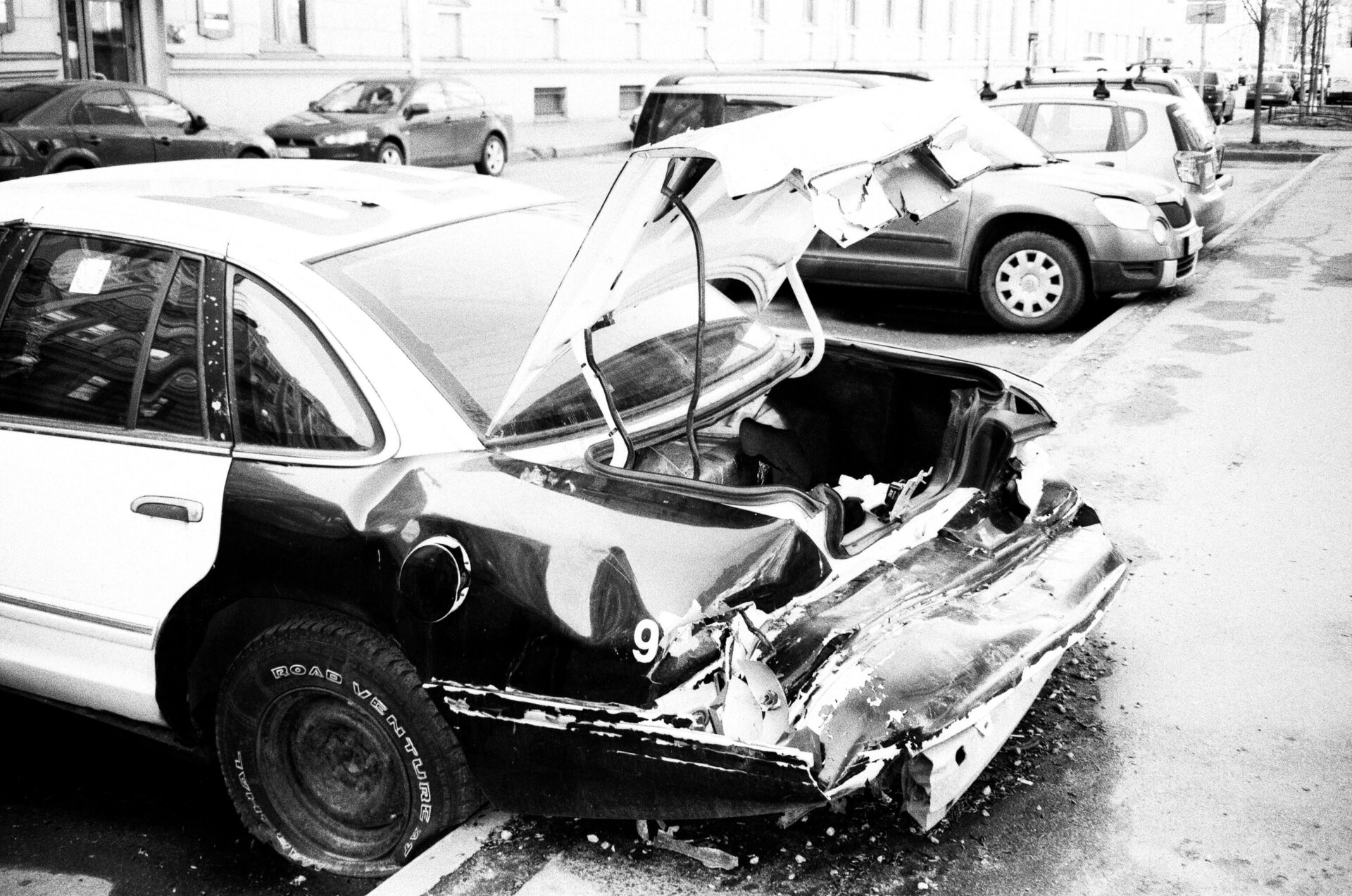
Medical assessment often involves imaging techniques such as ultrasound, CT scans, or MRI to visualize hidden damage, as reliance solely on physical symptoms can be dangerously misleading.In this way, uncovering internal injuries requires looking beyond surface presentation, much like merchandise branding, where the real value and intent lie beneath the visible design and demand careful examination to be fully understood.
Spinal Injuries: Hidden Threats to Mobility
Spinal trauma is another category of hidden injury with potentially devastating consequences. The spine protects the spinal cord, which transmits signals between the brain and the rest of the body. Even minor-seeming collisions can cause vertebral fractures, herniated discs, or ligament injuries that compromise spinal stability and neurological function. Symptoms may be subtle, such as mild back pain or tingling in the extremities, but underlying damage can progress if untreated, potentially leading to paralysis, chronic pain, or long-term disability. This is why even seemingly low-risk activities, like wearing cowboy t-shirts during certain physical tasks, should be approached with caution to avoid unnecessary spinal strain.
Spinal injuries can result from compression, hyperextension, or rotational forces during an impact. Falls, car accidents, and sports collisions are common mechanisms, and the effects can be masked initially by adrenaline or concurrent soft tissue pain.
Early recognition is crucial, as improper handling of a spinal injury can exacerbate damage. Medical professionals often recommend immobilization and advanced imaging, such as MRI or CT scans, to evaluate the full extent of injury. Even without immediate neurological symptoms, careful assessment is necessary to prevent delayed complications.These warning signs stand out like square hanging banners, signaling the need for immediate attention even when the surrounding damage seems minimal or easy to overlook.
Conclusion
Post-impact trauma presents a unique challenge because injuries may be hidden, delayed, or subtle in presentation. From soft tissue injuries and concussions to internal organ damage and spinal trauma, the consequences of overlooked injuries can be severe, including chronic pain, neurological deficits, or even death. Understanding the mechanisms, warning signs, and risk factors associated with hidden injuries is critical for anyone involved in collisions, whether in daily life, sports, or recreational activities.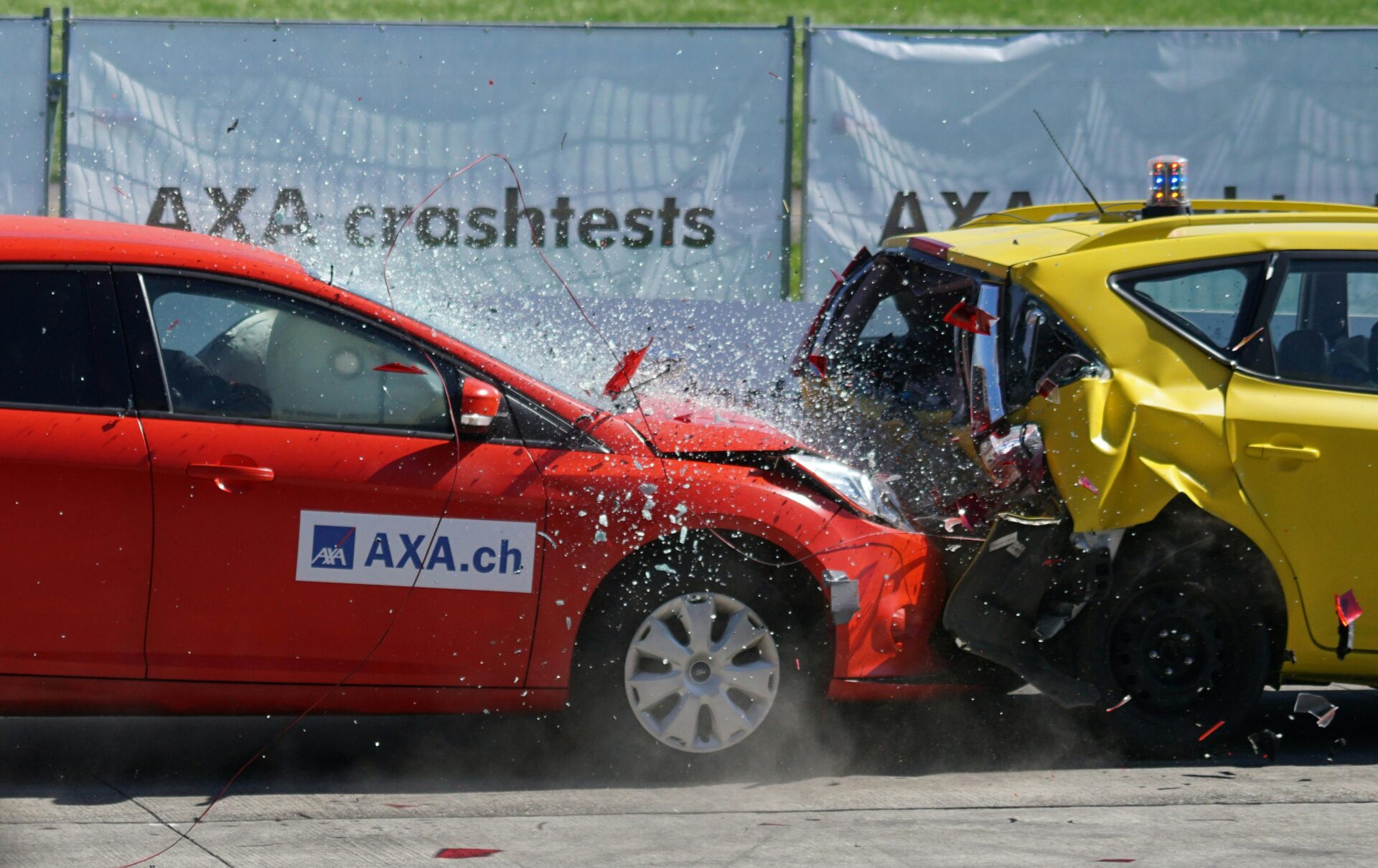
Early intervention, thorough medical assessment, and vigilant self-monitoring are essential components of effective trauma management. Adrenaline and temporary pain masking can create a false sense of security, emphasizing the need for proactive evaluation regardless of apparent injury severity. Imaging, functional assessments, and expert consultation allow healthcare providers to detect hidden trauma before it progresses, while adherence to treatment and rehabilitation protocols supports recovery and reduces long-term complications.
Ultimately, awareness and preparedness are the most powerful tools in managing post-impact trauma. Individuals must recognize that injuries are not always obvious and that delayed symptoms can indicate serious underlying conditions. By combining professional guidance, vigilant observation, and timely intervention, the risks associated with hidden injuries can be significantly mitigated. Post-impact trauma is not always visible, but with knowledge, caution, and proactive care, recovery and long-term health can be preserved, turning potentially dangerous collisions into opportunities for safe rehabilitation and return to normal activities.Addressing recovery with consistency and care is much like using creatine gummies—small, supportive measures taken early and regularly can strengthen resilience over time and help prevent minor damage from becoming a lasting problem.
About the Author
