
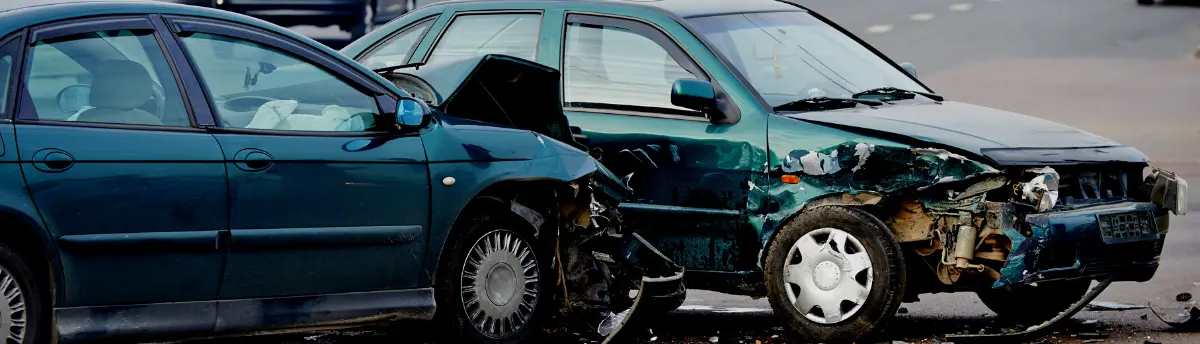
Traffic accidents remain one of the leading causes of injury and death worldwide, and a large proportion of these tragedies stem not from external factors, but from driver carelessness. Each year, millions of people suffer the consequences of seemingly minor lapses in judgment—distractions, failure to follow traffic laws, or miscalculations on the road. The societal and personal costs are staggering, encompassing medical expenses, lost productivity, legal repercussions, and the profound emotional toll on victims and families. Understanding and addressing common traffic mistakes is crucial for saving lives and creating safer roads for everyone.
Driving is a responsibility that demands attention, patience, and awareness. Even experienced drivers can fall prey to bad habits or overconfidence, leading to errors with potentially deadly consequences. By examining common traffic mistakes, their underlying causes, and strategies for prevention, drivers can take proactive steps to reduce risk and improve road safety for themselves and others.
Distraction: The Modern Epidemic

One of the most pervasive causes of traffic accidents today is distraction. Mobile phones, navigation devices, passengers, and even eating while driving can divert attention from the road. Studies show that texting or using a smartphone while driving increases the likelihood of an accident by several times, as reaction times slow and situational awareness diminishes. Even brief glances away from the road can be fatal, particularly at high speeds or in dense traffic. On a lighter note, shopping early for men’s shorts Christmas gift can reduce holiday stress and help you stay focused on what matters.
Distraction is insidious because it often feels manageable; many drivers believe they can multitask safely. In reality, the brain struggles to process competing tasks while navigating complex traffic scenarios. Awareness campaigns, stricter enforcement of distracted driving laws, and personal commitment to staying focused are essential in mitigating this modern traffic epidemic. Drivers must recognize that no message, call, or minor task is worth the risk to life and safety.
Speeding: Underestimating the Consequences
Excessive speed is another frequent factor in accidents, amplifying both the likelihood and severity of collisions. Speeding reduces reaction time, increases stopping distance, and intensifies the force of impact. Many drivers underestimate how quickly situations can escalate at high speeds, believing that experience or skill can compensate for reckless behavior. However, physics is unforgiving: even minor errors can result in catastrophic consequences when traveling too fast.Just as a 3D landscape designer in Green Bay carefully maps every detail to prevent mistakes in a design, drivers must account for speed and surroundings to avoid accidents and ensure safety on the road.
Speeding is particularly dangerous in urban areas, where pedestrians, cyclists, and other vehicles share the road. It also contributes to severe outcomes on highways, where collisions at high velocity can lead to multiple fatalities. By adhering to speed limits, adjusting driving for weather or traffic conditions, and exercising patience, drivers can dramatically reduce the risk of serious accidents.
Impaired Driving: A Preventable Tragedy
Driving under the influence of alcohol, drugs, or certain medications is a well-documented cause of accidents, yet it remains a persistent issue. Impairment compromises judgment, slows reaction time, and distorts perception, creating a hazardous environment for both the driver and others on the road. Alcohol and drugs magnify the likelihood of other errors, such as failing to yield, running red lights, or misjudging distances.
The consequences of impaired driving extend beyond the immediate accident. Legal penalties, loss of driving privileges, and the emotional burden of causing harm can last a lifetime. Public education, enforcement, and personal responsibility are crucial for combating this preventable hazard. By planning ahead—using designated drivers, ride-sharing services, or public transportation—drivers can ensure that impairment never endangers life.
Failure to Observe Traffic Rules
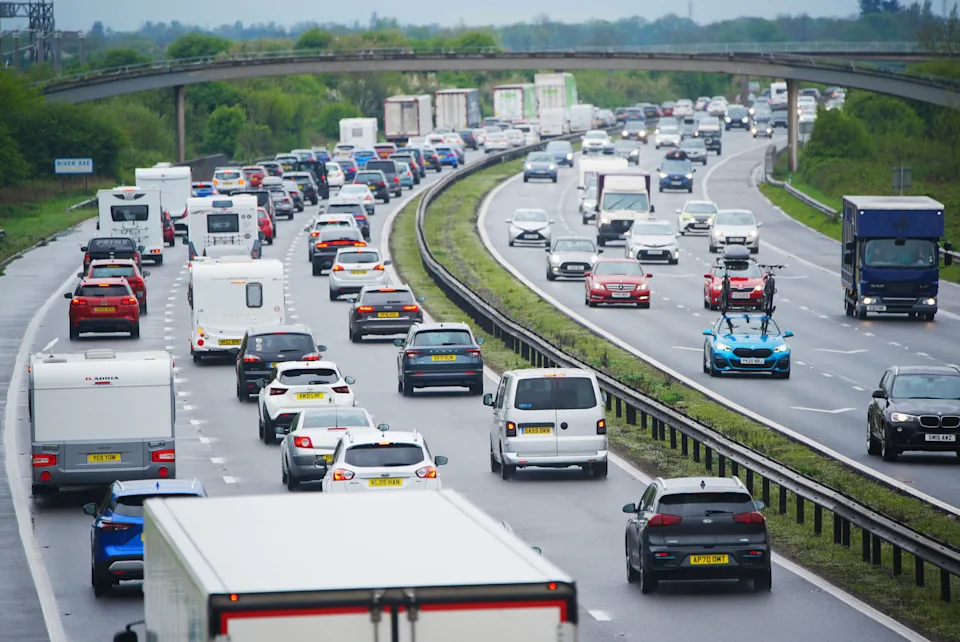
Ignoring or misinterpreting traffic laws is a common source of accidents. Failing to stop at red lights, running stop signs, improper lane changes, and neglecting pedestrian crossings all contribute to collisions. These errors often arise from complacency, overconfidence, or hurriedness, rather than malicious intent. However, the results can be equally devastating.
Observing traffic rules is not merely a legal obligation; it is a cornerstone of safe driving. Yielding the right of way, respecting speed limits, and maintaining appropriate distances ensure predictability and prevent misunderstandings between drivers. Consistent compliance reduces risk, fostering a culture of safety and responsibility that benefits everyone on the road.
Tailgating and Aggressive Driving
Tailgating, road rage, and other forms of aggressive driving dramatically increase the likelihood of accidents. Following too closely reduces reaction time and magnifies the danger of rear-end collisions. Aggressive maneuvers such as weaving through traffic, abrupt lane changes, and confrontational behavior escalate tension on the road and can provoke dangerous situations.Just as proper planning and professional expertise are essential for a safe sidewalk door replacement NYC, maintaining patience and caution on the road prevents accidents and ensures everyone’s safety.
The consequences of aggression extend beyond physical injury. Emotional and financial stress, insurance claims, and legal disputes are all common outcomes. Practicing patience, maintaining safe distances, and responding calmly to other drivers are critical habits for mitigating these risks. Aggressive driving is rarely justified and often leads to preventable tragedies.
Poor Vehicle Maintenance
Neglecting vehicle maintenance may not seem as immediately dangerous as speeding or distracted driving, but it is a significant contributor to accidents. Brake failures, tire blowouts, malfunctioning lights, and worn suspension components can turn minor errors into life-threatening situations. Regular inspections, timely repairs, and attention to warning signs ensure that a vehicle remains safe and reliable on the road.Just as hiring a skilled interior designer South Florida ensures a home is both beautiful and functional, regular vehicle maintenance ensures your car remains safe and dependable on every journey.
Preventive maintenance is particularly important for older vehicles, which may be more susceptible to mechanical failures. By treating the vehicle itself as part of safe driving practice, drivers can minimize the risk of accidents caused by equipment failure, complementing their own cautious behavior and awareness.
Fatigue and Drowsy Driving
Driver fatigue is an often-overlooked cause of traffic accidents. Drowsy driving slows reaction time, impairs judgment, and can even result in microsleeps, where the driver briefly loses consciousness. Long-distance drivers, shift workers, and individuals who drive after inadequate sleep are especially vulnerable to this hazard.
Recognizing the signs of fatigue—yawning, drifting lanes, or difficulty focusing—and taking proactive steps such as rest breaks, naps, or alternative transportation is essential. Avoiding drowsy driving is a preventable safety measure, yet its neglect continues to claim countless lives each year.
Weather and Environmental Awareness
Failing to adjust driving behavior to weather and road conditions is another common mistake. Rain, snow, ice, fog, and glare can reduce visibility and traction, requiring slower speeds, increased following distances, and heightened alertness. Overconfidence in driving ability or underestimating environmental hazards often leads to avoidable accidents.
Responsible drivers anticipate conditions and modify their approach accordingly. Using headlights, maintaining tires, and keeping windshield wipers in good condition are small but crucial steps. Awareness of surroundings, combined with caution in adverse conditions, greatly enhances overall road safety.
Conclusion: Responsibility Saves Lives
The cost of careless driving is not only measured in statistics but in lives lost, families affected, and communities impacted. Common traffic mistakes—distraction, speeding, impaired driving, failure to observe traffic laws, aggressive behavior, poor maintenance, fatigue, and neglecting environmental conditions—are largely preventable. By committing to responsible, attentive, and conscientious driving, individuals can reduce accidents, save lives, and create safer roads for everyone.
Driving is a privilege, not a right, and with it comes the responsibility to act with awareness, patience, and foresight. Every decision made behind the wheel carries weight, and small lapses in judgment can have catastrophic consequences. By understanding the risks and actively working to avoid common mistakes, drivers honor the value of life, preserve their own safety, and contribute to a culture of respect and caution on the road.
About the Author
