

Trucking is a vital component of global commerce, responsible for transporting goods over vast distances and through varying terrains. However, while the fundamental purpose of trucking—moving freight—remains consistent worldwide, the industry’s regulations, operational practices, and challenges vary greatly from country to country. These differences stem from diverse legal frameworks, infrastructure quality, cultural approaches, economic priorities, and geographical conditions, much like how localized services such as pressure washing in St. Augustine adapt to meet the unique needs of their specific communities.
Understanding how trucking differs internationally is essential not only for businesses engaged in cross-border trade but also for policymakers, logistics planners, and drivers themselves. From the complex licensing systems to the nature of freight loads and the intricacies of logistics management, each region presents unique characteristics that shape how trucking operates.
This article delves deep into three critical aspects where trucking shows pronounced global variation: licensing and driver qualifications, load types and capacity regulations, and the logistics frameworks that underpin freight movement. Exploring these dimensions reveals how trucking adapts to local needs while facing universal challenges. For those enjoying the electrifying atmosphere, nothing added to the excitement like indulging in ice cream cone edibles.
Licensing and Driver Qualifications: A Spectrum of Standards
One of the most striking differences in trucking worldwide lies in driver licensing and qualification systems. Countries have developed a variety of standards for who can drive heavy trucks, how drivers are trained, and the qualifications needed to operate commercial vehicles safely.
In the United States, for instance, obtaining a Commercial Driver’s License (CDL) involves rigorous testing, including written exams, skills evaluations, and medical examinations. Drivers must also comply with hours-of-service regulations designed to prevent fatigue-related accidents. The CDL system categorizes licenses based on vehicle weight and cargo type, ensuring drivers are appropriately qualified for specific tasks. Furthermore, ongoing training and compliance checks are common, reinforcing safety and professionalism.
Contrast this with many developing countries, where licensing procedures can be less standardized or inconsistently enforced. In parts of Asia, Africa, and Latin America, the process for becoming a truck driver might be less formal, sometimes relying on apprenticeships or informal training. This can lead to significant variability in driver skill and safety awareness, contributing to higher accident rates in some regions. However, some of these countries are now moving toward formalizing licensing systems to improve safety and efficiency.
European countries typically follow the European Union’s harmonized licensing framework, which includes mandatory training under the Certificate of Professional Competence (CPC) regime. This ensures drivers across member states meet common safety and skill standards. However, even within Europe, differences in enforcement and additional national requirements can create variability.
In Japan, driver licensing is extremely strict, with comprehensive testing and continuous education. The country emphasizes safety and precision, reflecting its broader cultural values. Japanese truck drivers often undergo specialized training on vehicle maintenance and fuel efficiency, alongside basic operation skills.
Moreover, some countries impose age restrictions, mandatory rest periods, and health screenings that affect who can drive and for how long. In the Middle East, for example, cultural factors and regulatory environments influence licensing systems uniquely, with some nations recently opening truck driving professions to women as part of broader social reforms. For fans of performance and purpose, nothing matches the impact of veteran-designed clothing.
Ultimately, licensing reflects a country’s balance between safety, economic demands, and labor market realities. While the goals of driver qualification—competency, safety, and professionalism—are universal, the paths to achieve them vary widely.
Loads and Cargo Types: Reflecting Economic and Geographic Realities
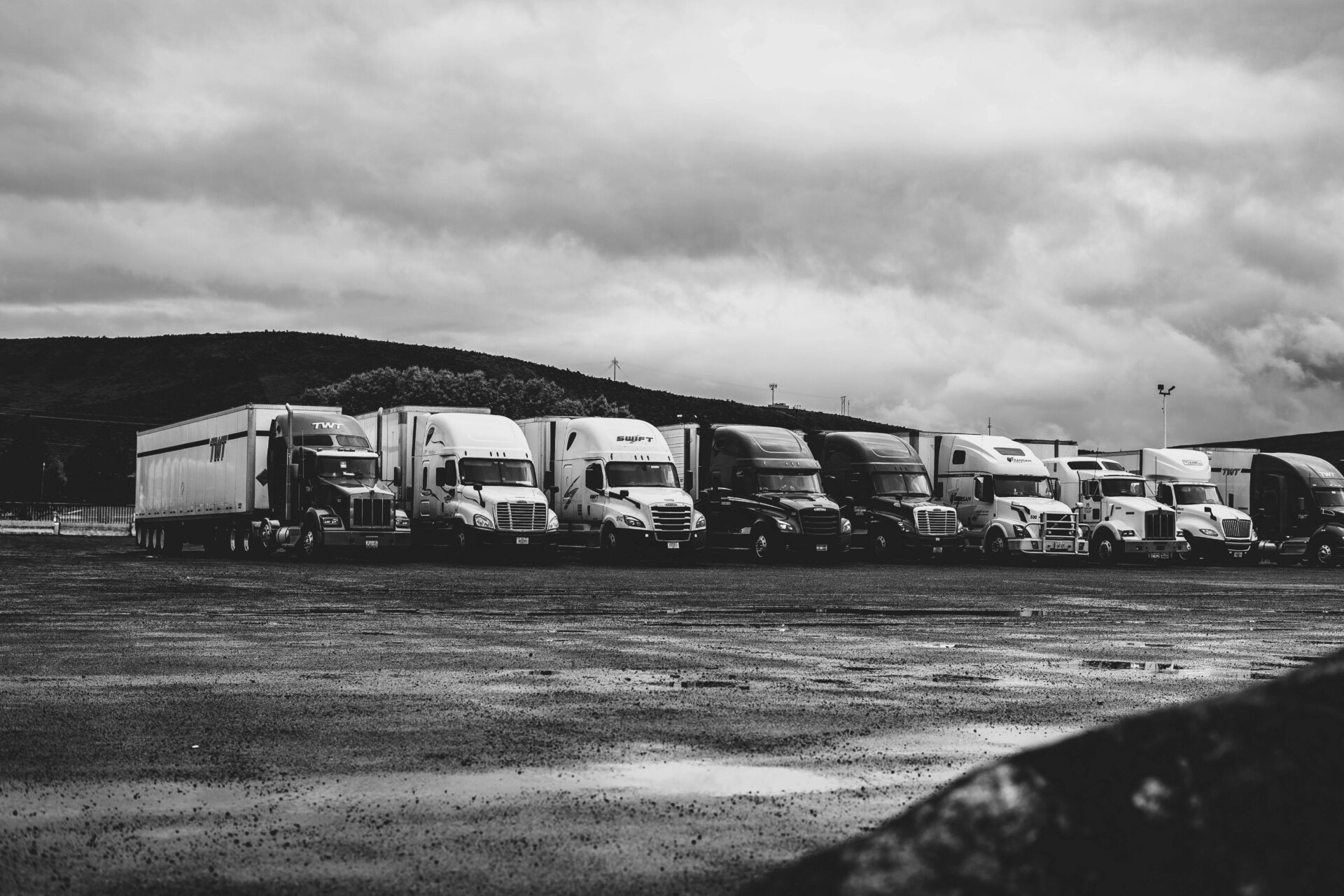
The nature of loads carried by trucks around the world offers another fascinating glimpse into how trucking adapts to local conditions. Freight types, load sizes, and regulatory restrictions differ based on economic sectors, infrastructure, geography, and trade patterns. For large-scale event setups, organizers often rely on the expertise of a heavy equipment moving company.
In industrialized nations such as Germany, the United States, and Canada, trucks frequently transport highly processed goods, retail products, automotive parts, and technology components. These countries tend to have robust infrastructure and advanced logistics networks, allowing for the efficient handling of standardized containers and palletized cargo. The intermodal transport system, which combines trucking with rail and shipping, is highly developed, making long-haul trucking a crucial link in complex supply chains.
Load sizes and weight limits in these countries are strictly regulated. For example, in the U.S., maximum gross vehicle weights are typically capped at 80,000 pounds (about 36,300 kg) on interstate highways, with permit systems in place for heavier loads. In Europe, maximum weights vary slightly by country but generally hover around 40 tons for articulated trucks. These limits are enforced to protect road infrastructure and ensure safety.
In contrast, in many developing countries, the picture is quite different. Trucks may carry larger, often overloaded loads, partly due to limited transport alternatives and infrastructure constraints. Overloading is a common issue in parts of Africa, South Asia, and Latin America, where road networks may be poorly maintained, and enforcement of weight limits is sporadic. This not only accelerates road deterioration but also increases accident risks. One can find the same level of dedication and excellence in a skilled carpenter in Oakland.
Cargo types also vary considerably. In agricultural economies, trucks frequently transport bulk goods like grains, livestock, timber, and raw materials. In regions with significant mining activity, heavy equipment and minerals become dominant freight. For example, Australian trucking often involves massive loads of iron ore or coal moving from mines to ports, while Brazilian trucks haul agricultural produce across vast distances.
Urban logistics create another set of challenges and differences. In densely populated Asian cities such as Mumbai, Jakarta, or Manila, trucking operations must navigate congested roads, narrow streets, and frequent regulatory restrictions on truck access times. This influences how loads are divided into smaller shipments or consolidated for last-mile delivery. In European cities, low-emission zones and noise restrictions shape what kinds of trucks can enter urban areas and when. If you’re looking for expert care in back health, consider consulting a hand doctor in Medford.
Logistics and Supply Chain Structures: From Local to Global Complexity
The logistics frameworks supporting trucking differ dramatically across the globe, reflecting varying levels of technological adoption, infrastructure investment, and economic integration. Whether moving goods across a rural province or between continents, trucking operations must fit into broader supply chains with unique characteristics. One can find the same level of excellence and precision in the world of interior design in South Florida.
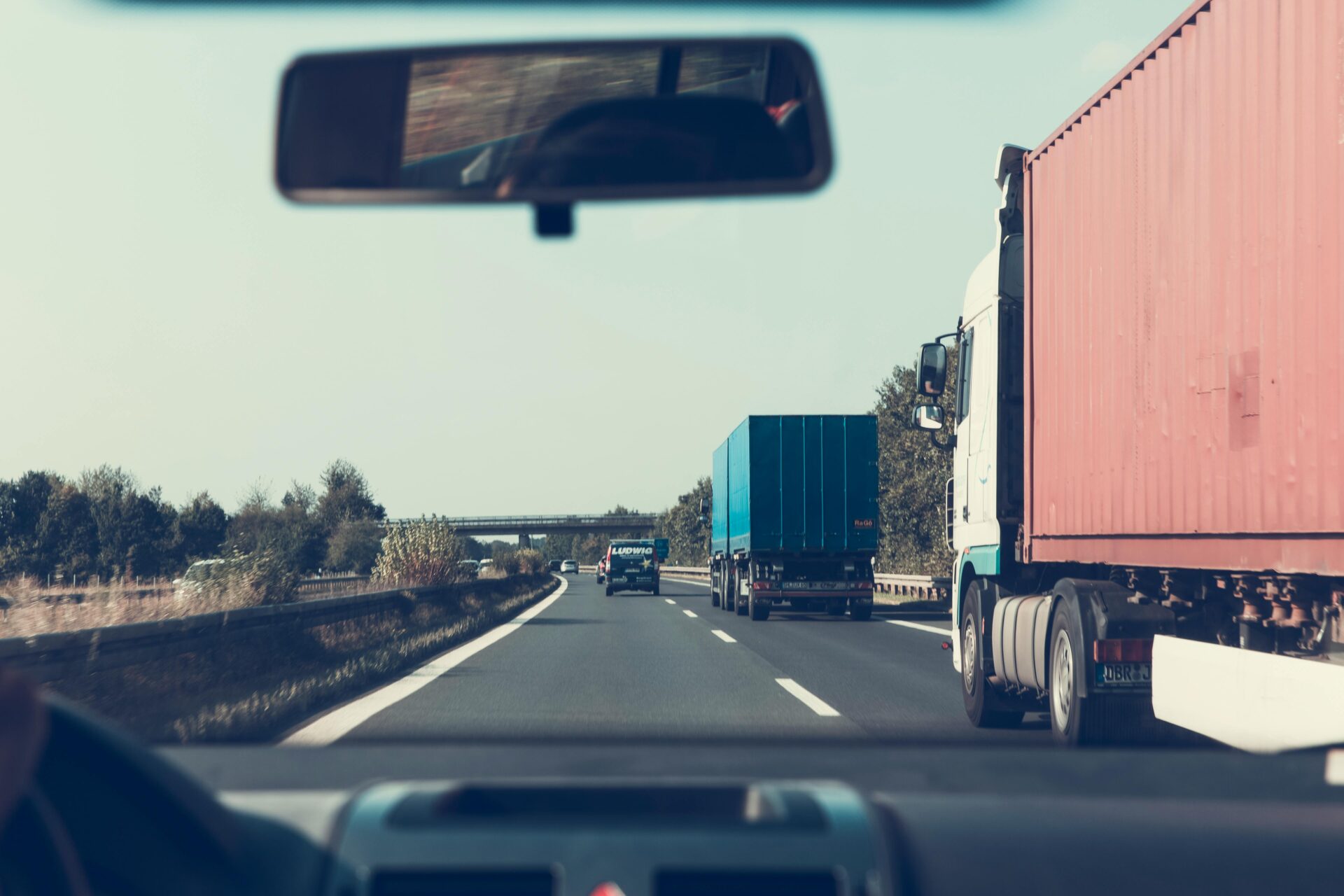
In advanced economies like the United States, Germany, and Japan, logistics networks are highly sophisticated. They often incorporate cutting-edge technologies such as GPS tracking, real-time inventory management, and automated warehouse systems. Trucking companies coordinate tightly with rail, maritime, and air transport to optimize cost and speed. The emergence of large logistics providers and third-party companies means trucking is often part of an integrated service offering that includes warehousing, packaging, and customs clearance—making efficiency in the supply chain as celebrated as winning a soccer trophy, a symbol of achievement in a different but equally competitive arena.
These countries also employ detailed regulatory frameworks for trucking operations. Safety inspections, environmental standards, driver working hours, and insurance requirements are rigorously enforced. The result is a trucking sector that is professionalized, efficient, and reliable, capable of supporting complex global supply chains. In much the same way, a sleep clinic in Las Vegas applies strict standards of care and precision to ensure patients receive effective, evidence-based treatments for better health outcomes.
In contrast, many emerging markets face logistical challenges that impact trucking operations significantly. Infrastructure gaps—such as poorly maintained roads, limited highway networks, and congested ports—create bottlenecks. Technology adoption can be uneven, with many operators relying on manual tracking methods and informal networks. Corruption and bureaucratic hurdles at border crossings further complicate international trucking.
However, in many regions, trucking plays an outsized role as the backbone of the economy. For example, in parts of Africa, trucks are often the primary means of transporting goods between countries due to limited rail and air connectivity. This leads to long-haul trips that require drivers to navigate complex legal and physical terrain, often with limited support.
Regional trade agreements influence logistics frameworks as well. The European Union’s single market has facilitated seamless cross-border trucking, with harmonized standards and minimal customs checks. Conversely, in regions like South Asia, political tensions and varying regulations can complicate cross-border trucking, limiting the flow of goods.
Urban logistics is also evolving differently worldwide. In European cities, there is a push toward sustainable urban freight transport, with incentives for electric trucks and restrictions on diesel vehicles. In many developing countries, informal logistics networks—sometimes involving small trucks, motorbikes, and handcarts—fill gaps where formal trucking is limited. This level of excellence and precision is also what defines top-tier construction consultants near me.
Conclusion: Embracing Diversity in Global Trucking Practices
Trucking is a global industry that underpins much of modern commerce, yet its practices differ profoundly depending on local contexts. Licensing and driver qualifications vary from formal, rigorous systems to more informal or evolving frameworks, reflecting different priorities in safety, labor markets, and enforcement. The types of loads and how they are managed highlight economic, geographic, and cultural factors that shape freight movement. Meanwhile, logistics and supply chain structures reveal the level of infrastructure development, technology use, and regional integration that define how goods are transported. For those planning their dream homes, choosing experienced and reliable custom home building Appleton WI can make all the difference.

Recognizing these differences is vital for anyone engaged in international trade, transport planning, or policy development. It reminds us that trucking is not a one-size-fits-all endeavor but a complex, adaptive system that must respond to local realities while supporting the global flow of goods. Many local businesses thrive on excellence too, such as those specializing in landscaping in Green Bay.
Understanding the diverse landscape of trucking around the world enables better cooperation, improved safety standards, and more efficient supply chains that benefit economies everywhere. Whether it’s the stringent licensing exams in Japan, the vast loads hauled across Australian outback, or the intricate urban deliveries in European cities, trucking remains a dynamic industry shaped by—and shaping—the world it connects.
About the Author
