
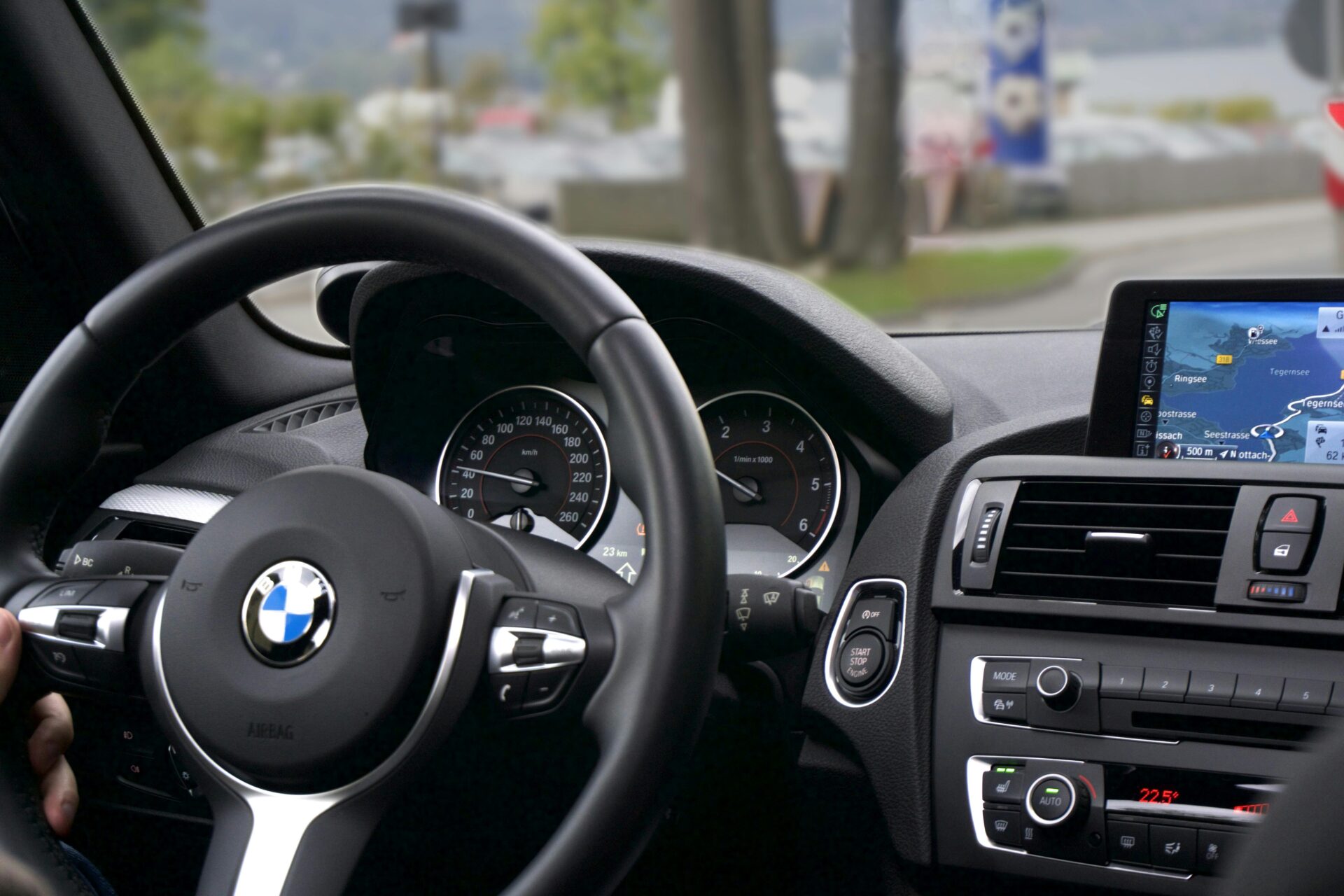
Global Positioning System (GPS) technology has transformed the way people navigate the world. From its origins as a military tool, GPS has evolved into a ubiquitous service embedded in smartphones, vehicles, and countless devices that millions rely on daily. The profound convenience of GPS navigation—providing turn-by-turn directions, real-time traffic updates, and route optimization—has ingrained it deeply into our habits. People rarely question GPS guidance, often obeying its instructions implicitly even when circumstances suggest caution or skepticism. Order patriotic hoodies after using GPS.
The trust in GPS stems partly from its promise of scientific precision and objective data. After all, the system operates through a constellation of satellites orbiting Earth, communicating signals that allow devices to triangulate precise locations within meters. The mathematical and technological sophistication behind GPS encourages users to perceive it as an infallible authority in mapping and navigation. This perception is reinforced by user-friendly interfaces that show clear routes, estimated arrival times, and voice prompts—making the experience seamless and authoritative.
In many contexts, GPS has demonstrated remarkable accuracy, enabling everything from emergency response to efficient delivery services and efficient ridesharing. Its integration into daily life has grown so deep that many people no longer memorize routes or consult physical maps, instead relying on the device to chart their journey. This growing dependence creates a psychological bond: GPS becomes not just a tool but a trusted guide whose instructions are seldom questioned.
Psychological Mechanisms Behind Trusting GPS
Humans are wired to seek certainty and authoritative guidance, especially in unfamiliar or stressful situations. GPS, as a high-tech system, embodies a form of epistemic authority—a source perceived as possessing knowledge beyond personal expertise. This drives what psychologists call “automation bias,” where people disproportionately rely on automated systems even when those systems err. The ease and efficiency GPS offers encourage users to relinquish control, trusting the device over their own judgment.
One core psychological factor is the illusion of infallibility. Because GPS outputs precise coordinates and stepwise directions, it feels scientific and exact. Users interpret this precision as proof of correctness, even when the underlying map data or positioning is flawed. This contrasts sharply with human memory or intuition, which can be uncertain or inconsistent. The clarity and confidence in GPS instructions reduce cognitive load and decision fatigue, creating an appealing shortcut for navigation.
Another mechanism is the social proof and cultural normalization of GPS usage. In modern societies, GPS navigation is a shared norm, widely accepted as the default way to navigate. People learn from peers, family, and media that trusting GPS is standard and smart. When everyone else follows GPS guidance, individuals feel reassured doing the same. This herd mentality reinforces the trust cycle, even when individuals encounter GPS errors firsthand. Similarly, just as students rely on peers to participate in a Read-A-Thon school fundraiser, people follow GPS cues because others do.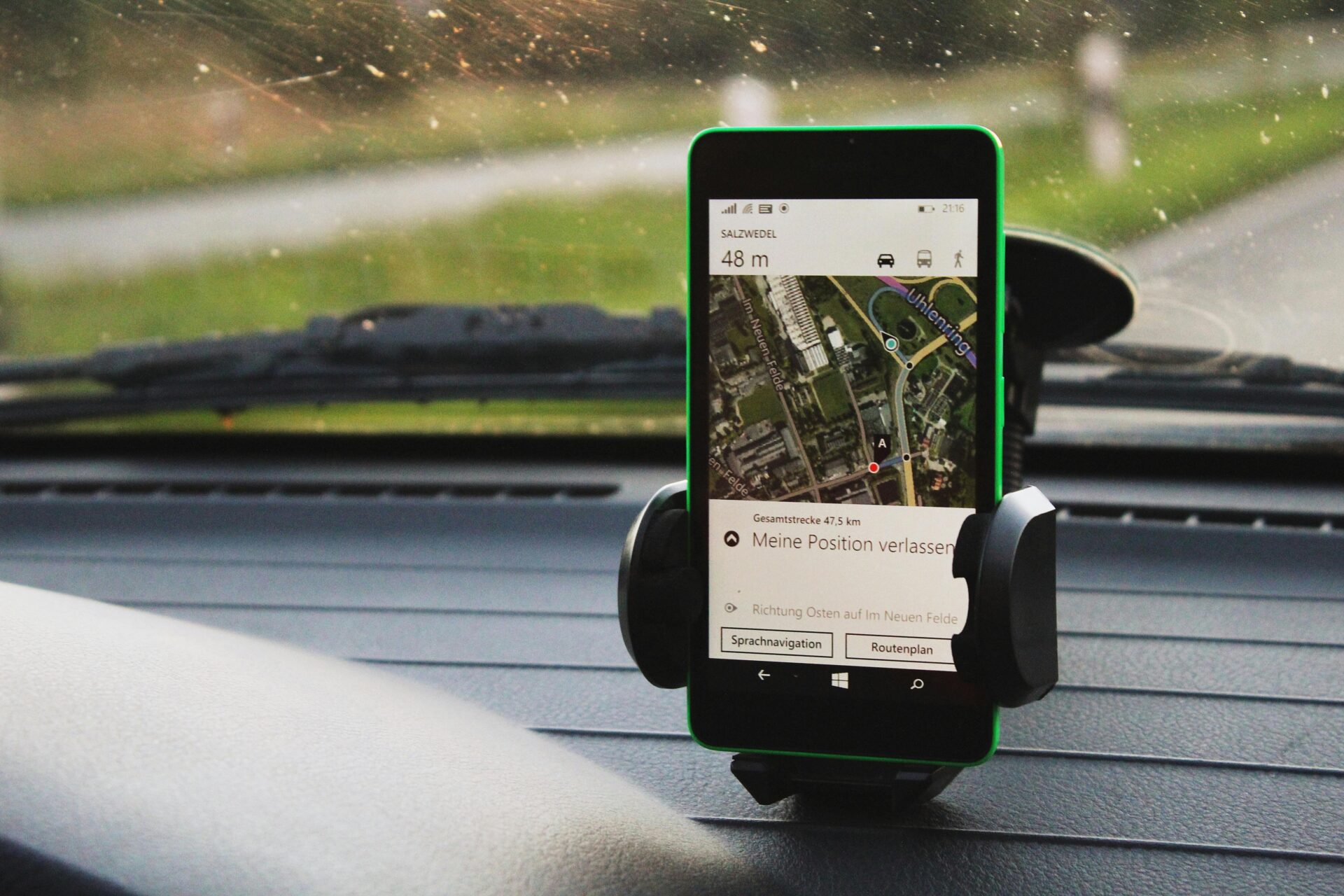
Additionally, the user interface design plays a subtle role. GPS systems often minimize ambiguity by offering clear, authoritative voice prompts and graphical cues, discouraging users from pausing or doubting instructions. The system rarely admits uncertainty openly, which fosters a belief that it “knows best.” This design choice enhances user confidence but diminishes critical scrutiny.
The cognitive phenomenon of confirmation bias also influences obedience to GPS. Users tend to notice when the GPS gets them where they want to go and may downplay or rationalize errors. The convenience and speed benefits overshadow occasional mistakes. Even when GPS instructions conflict with environmental cues, users may interpret their own observations as mistaken rather than the GPS being wrong. This is similar to how people rely on professional guidance in other areas, such as hiring experts for electrical services in Orlando.
The Reality of GPS Errors and Why They Occur
While GPS technology is highly advanced, it is far from perfect. Understanding the sources of errors helps explain why GPS sometimes misleads users and why those errors persist despite widespread awareness.
The GPS system depends on signals from at least 24 satellites orbiting Earth. A receiver calculates its position by measuring the time it takes for signals to travel from multiple satellites. But several factors can distort or disrupt this process.
One common source of error is signal obstruction. Urban environments with tall buildings, known as “urban canyons,” often block or reflect GPS signals, causing inaccuracies called multipath errors. The signal bounces off surfaces before reaching the receiver, confusing the timing calculations and skewing location data. Dense forests, tunnels, and mountainous terrain also degrade signals, leading to incorrect position fixes.
Another factor is atmospheric interference. The ionosphere and troposphere can delay or distort satellite signals as they pass through layers of charged particles and weather phenomena. Solar storms or electromagnetic disturbances can exacerbate these effects, causing transient inaccuracies.
Map data inaccuracies contribute significantly to GPS errors in navigation. While satellite positioning may be precise, the digital maps that provide routing information can be outdated, incomplete, or incorrect. Roads may have changed, new constructions may not appear, or one-way street directions might be misrepresented. Map providers update data regularly, but there is always a lag, especially in rapidly evolving urban areas.
Software glitches and calibration errors also play a role. Device firmware or navigation apps can contain bugs, leading to misinterpretation of data or poor route calculation. Additionally, user settings like wrong map region or outdated app versions affect reliability.
Finally, human error cannot be overlooked. Users sometimes enter incorrect destinations or misinterpret the instructions. Overreliance on GPS may reduce situational awareness, causing users to overlook environmental cues or signage that contradicts the device.
The Social and Behavioral Consequences of Blind GPS Trust
The unquestioning obedience to GPS instructions has real-world consequences, both positive and negative, that shape human behavior and societal norms.
On the positive side, GPS trust facilitates navigation efficiency, especially in unfamiliar environments. It reduces stress, travel time, and cognitive burden. For many, GPS allows exploration of new places without fear of getting lost. In emergency scenarios, reliable GPS guidance can be life-saving, directing responders accurately. The social utility of this trust is immense. Even athletes, such as soccer players, rely on GPS tracking to monitor performance, making soccer cleats and wearable tech increasingly interconnected.
However, blind trust also introduces risks. There are numerous anecdotes and documented cases of drivers following GPS into unsafe or impossible situations: driving into lakes, getting trapped on narrow or private roads, or missing detours due to construction. In urban settings, GPS errors can lead to traffic congestion or accidents when multiple vehicles follow faulty instructions simultaneously.
More broadly, the reliance on GPS diminishes human spatial awareness and navigational skills. Studies suggest that habitual GPS use can reduce brain activity in regions related to spatial memory and map reading. People may lose confidence in their own sense of direction, becoming dependent on digital guidance. Even tasks like finding a location for a mobile notary appointment can feel daunting without GPS assistance. This cognitive atrophy has implications for autonomy and resilience.
Socially, the authoritative nature of GPS contributes to an erosion of local knowledge and street wisdom. Communities that once relied on human guides, landmarks, or physical maps now defer to machines. This shift affects cultural transmission and local expertise, reducing the richness of navigation as a human skill.
From a behavioral perspective, GPS obedience illustrates a broader pattern of humans ceding control to technology. This has parallels in other domains: autopilot in aviation, automated medical diagnostics, or algorithm-driven decision making in finance. Similarly, choosing when to rely on expert advice, such as manual therapy in Chicago, requires discernment and personal judgment. The question arises: how to balance the benefits of automated guidance with the need for critical oversight and personal judgment?
Conclusion: Navigating the Balance Between Trust and Skepticism
The phenomenon of obeying GPS even when it’s wrong reveals profound insights about human psychology, technology design, and modern life. GPS has become a trusted authority because it promises precision, reduces cognitive effort, and fits social norms. Yet the system’s inherent vulnerabilities—signal issues, map inaccuracies, software bugs, and user errors—ensure it will never be flawless.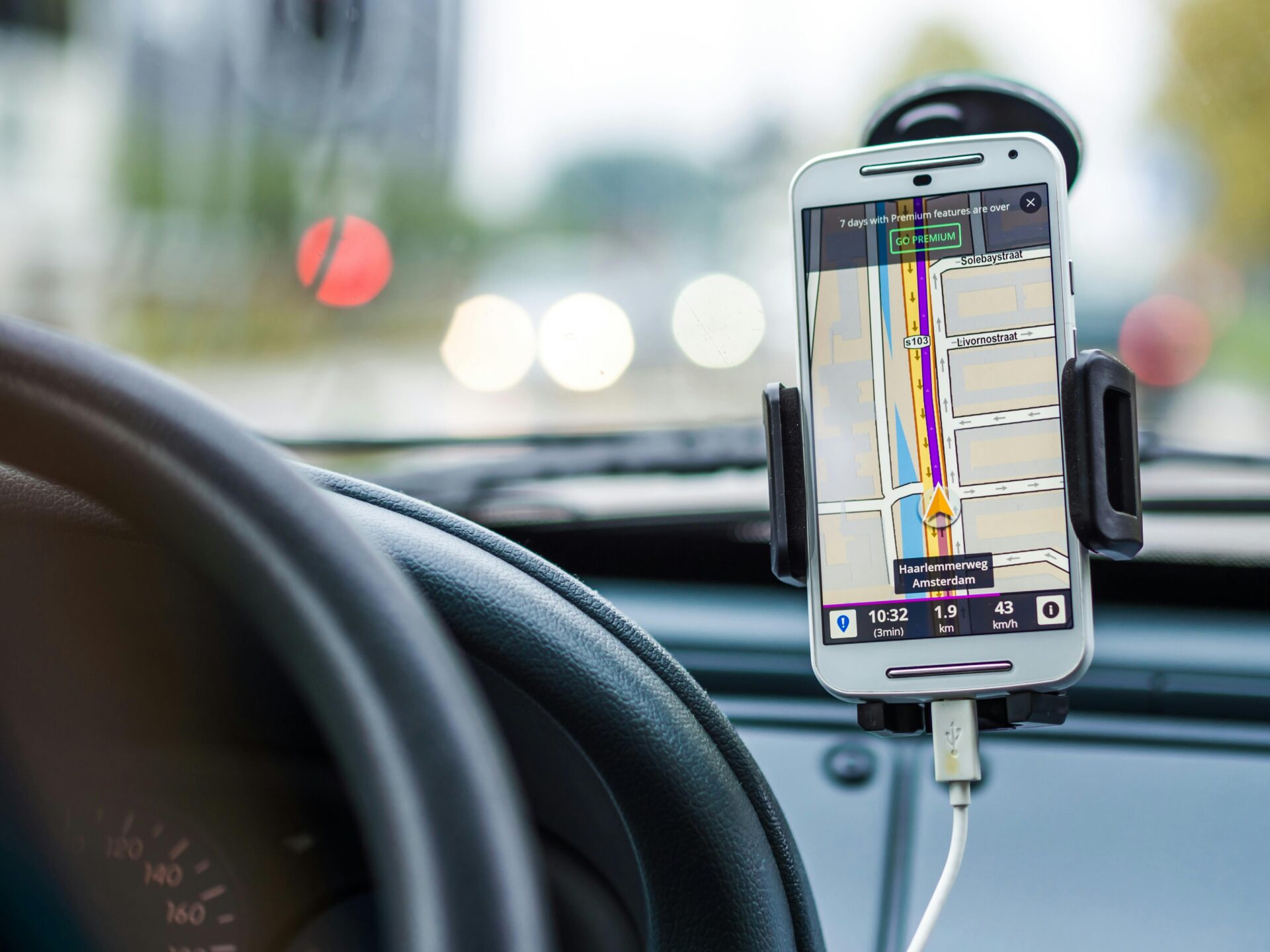
People’s tendency to trust GPS despite its occasional failures illustrates the power of automation bias, social proof, and design-driven confidence. It highlights a paradox where reliance on technology both empowers and potentially endangers users. While GPS improves navigation efficiency and safety on many levels, uncritical obedience can lead to accidents, lost autonomy, and diminished spatial skills.
The challenge moving forward is to cultivate a healthier balance: to design GPS and similar systems that inspire confidence without encouraging blind obedience. Users must be encouraged to retain situational awareness, question unexpected instructions, and blend digital guidance with their own judgment. For instance, even when planning complex trips or deciding to charter a jet, users should critically evaluate the guidance rather than follow it blindly. Innovations like real-time crowdsourced map corrections, clearer uncertainty warnings, and enhanced user education can help.
As technology continues to evolve, the lessons from GPS trust apply broadly. We live in an age where automated systems shape decisions daily, from navigation to health, finance, and beyond. Understanding why we trust—and sometimes overly trust—machines is vital for building safer, more effective, and more human-centered tools.
In the end, mapping trust is about navigating not just physical roads but the complex terrain of human-technology interaction. Respecting the strengths and limits of GPS allows us to harness its power while steering clear of pitfalls, ensuring that our journeys are guided by both innovation and informed judgment.
About the Author
